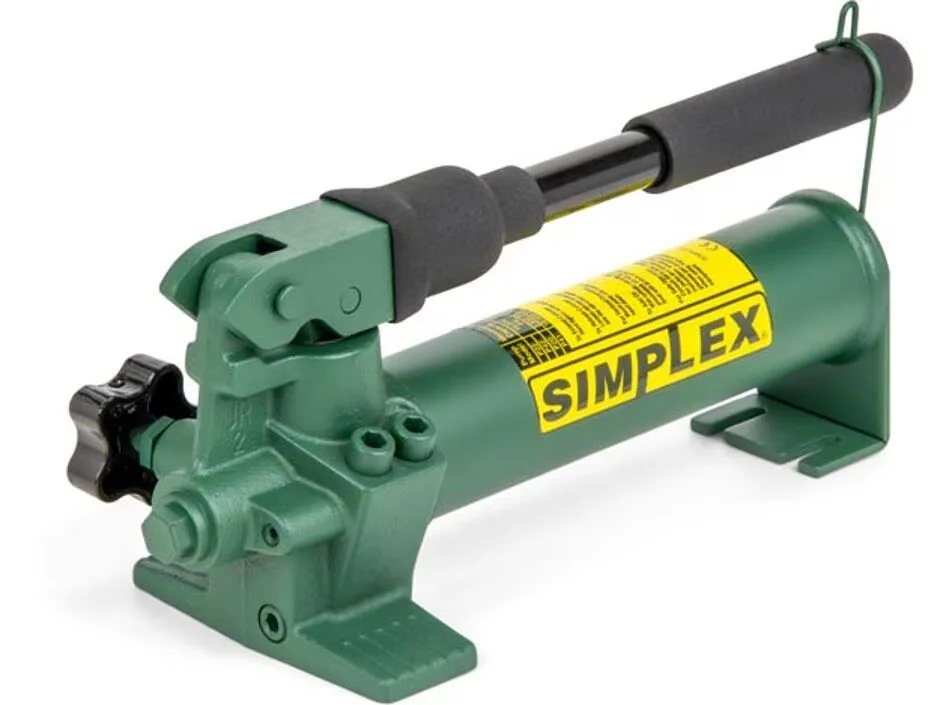
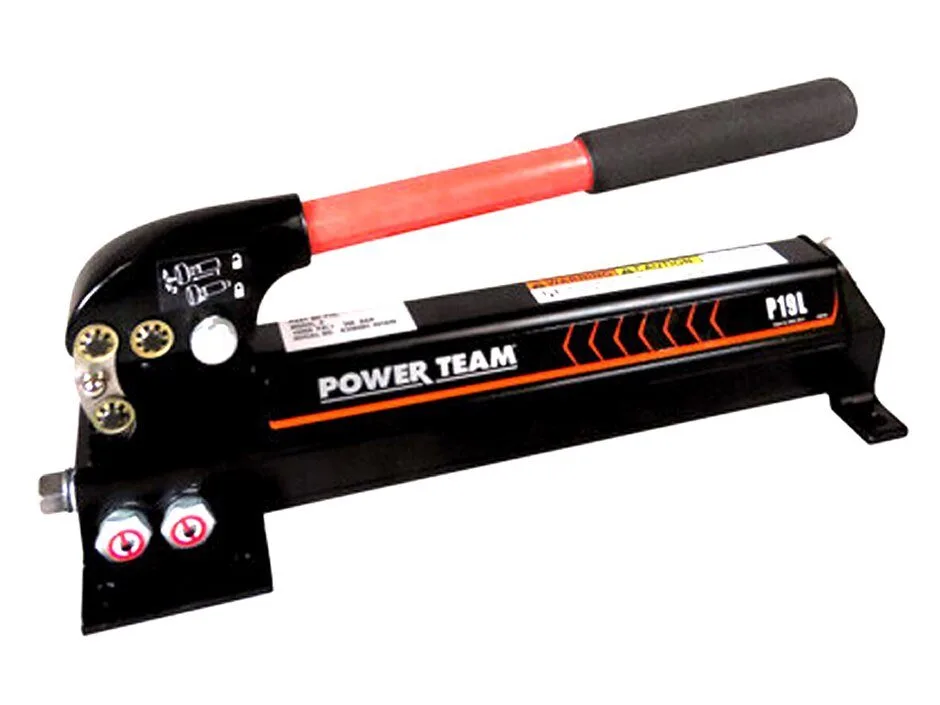
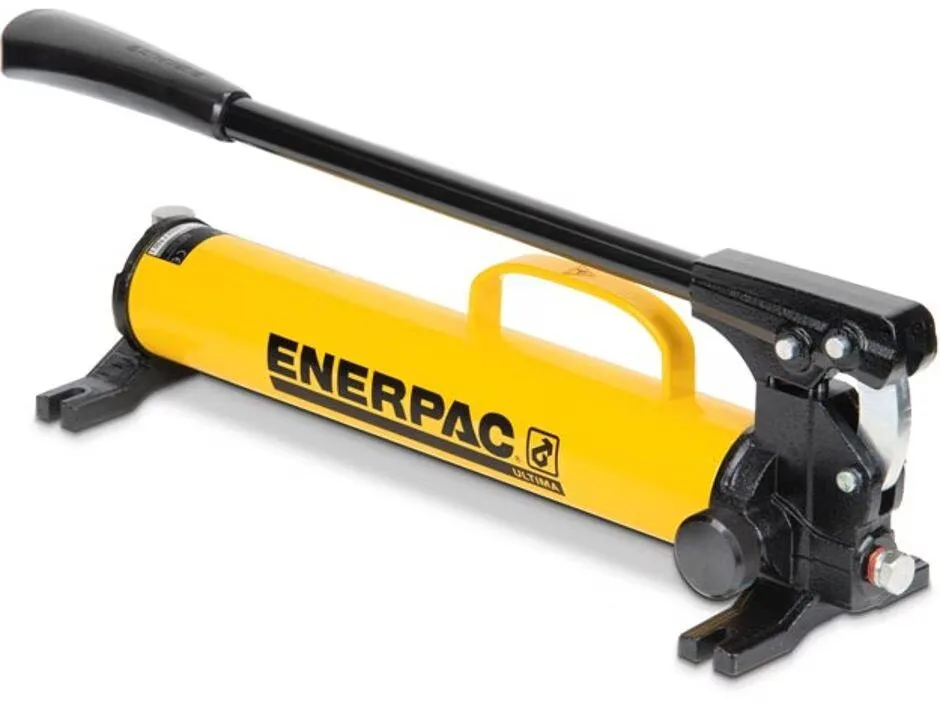
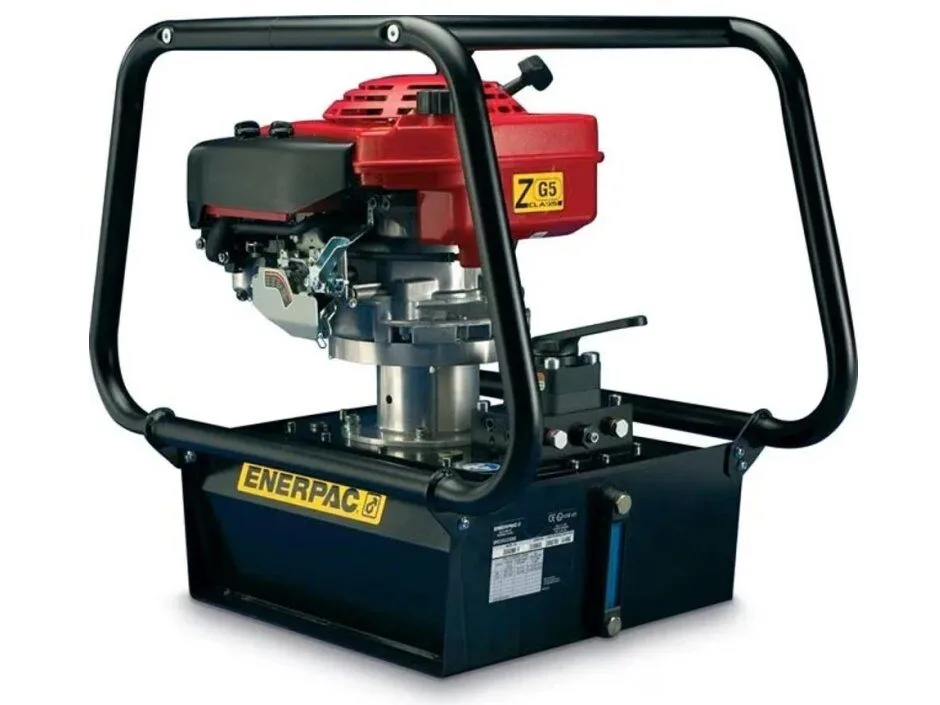
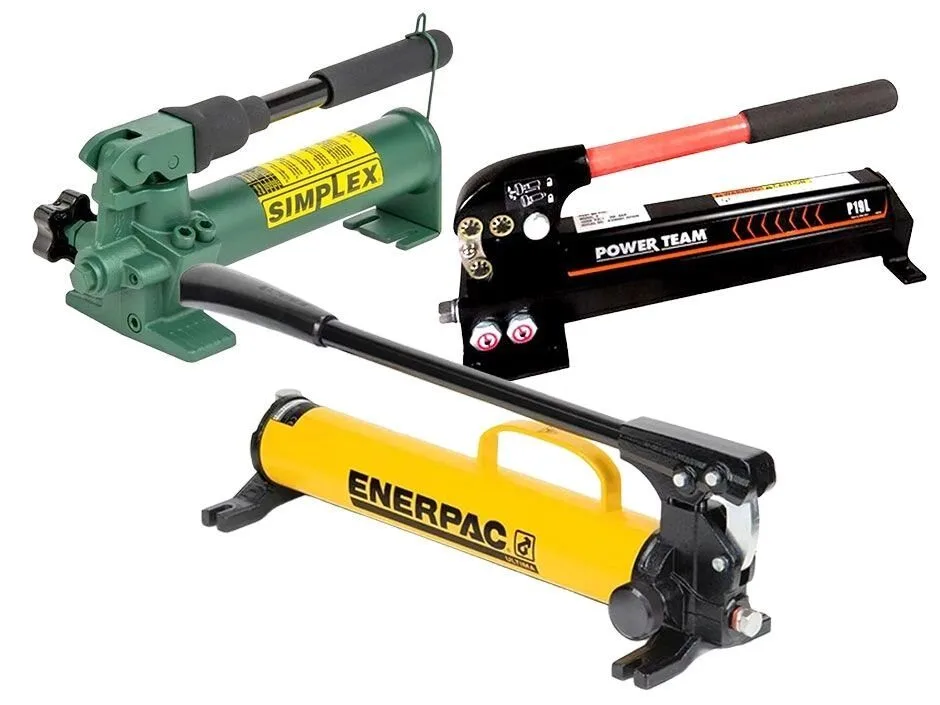
| Low-pressure hand pumps (basic, light duty) |
3,000 – 5,000 psi |
For light cylinder work, small presses, simple lifting, where high force is not required. |
| Standard hand pumps / mid-pressure (e.g. manual “P-Series” or “Ultima”) |
5,000 – 10,000 psi |
Common for typical industrial or maintenance tasks, many standard cylinders/tools are rated around this range. |
| High-pressure hand pumps / manual intensifiers |
21,750 psi |
Used for demanding applications like bolt-tensioning, testing, where compact but very high pressure is needed. |
| Ultra-high pressure hand pumps / specialty units |
Up to ~ 40,000 psi) — for some specialty manual pumps. |
Rare, for highly specialized tasks (e.g. testing, calibration, very high-force systems). |
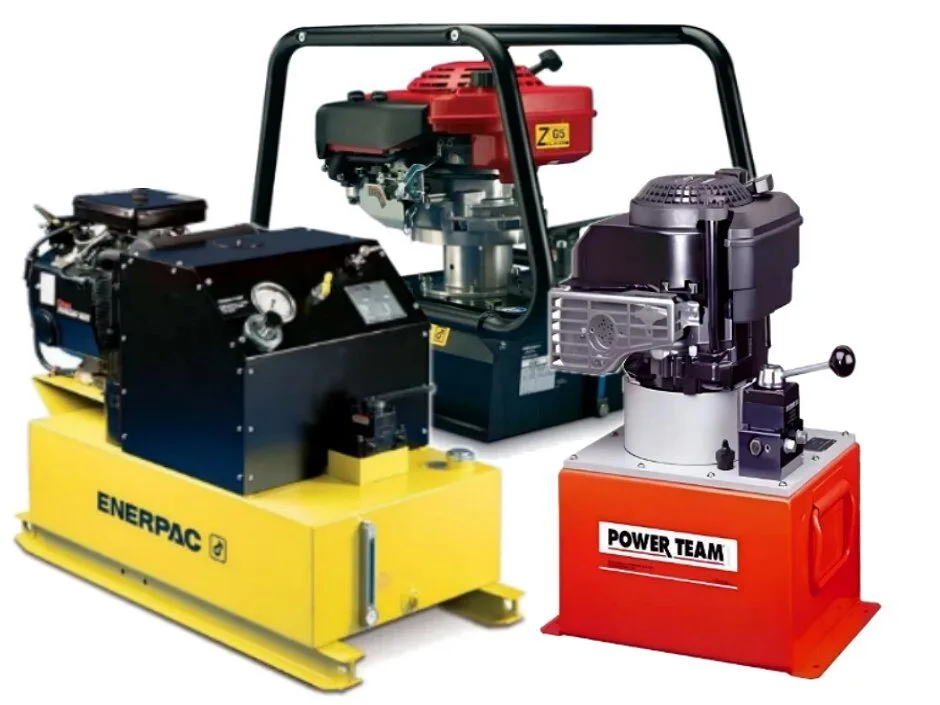
| Air / Electric / Gas / Motor-driven Power Units (medium duty) |
Often designed for ~ 3,000 – 5,000 psi nominal output for many hydraulic systems. |
Typical for mobile equipment, industrial machinery, where moderate pressure but continuous flow is needed. |
| Heavy-duty power units / high-pressure electric pumps (for tools, cylinders, heavy lifts) |
Frequently rated 10,000 psi |
Used for heavy cylinders, lifting, pressing, maintenance — general industrial & construction heavy-duty applications. |
| Specialty high-pressure power units / intensifier-based / bolt-tensioning / testing power packs |
Sometimes up to ~ 17,400 psi) or even higher depending on model. |
For specialty tasks needing more than standard 10,000 psi — e.g. heavy tensioning, high-force hydraulic circuitry, specialized industrial processes. |