Rent the Enerpac RRH10010, Double-Acting, Hollow Plunger Hydraulic Cylinder from us now!
CALL US on 866-522-5464 or Request A Quote Below
Home — Enerpac RRH10010, 100 ton, Double-Acting, Hollow Plunger Hydraulic Cylinder with 10.13 in Stroke,
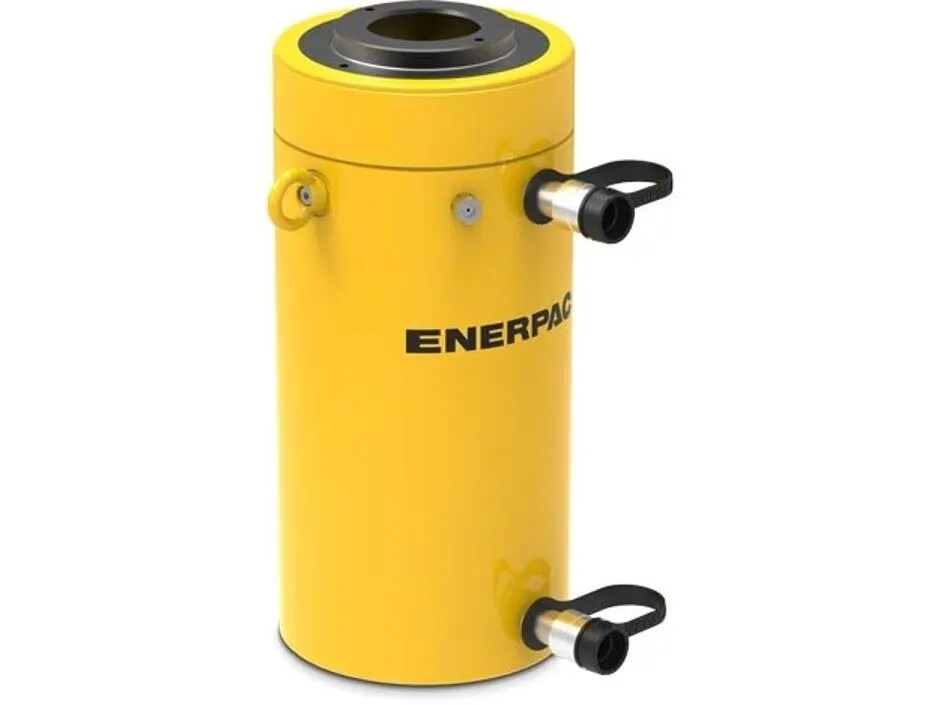
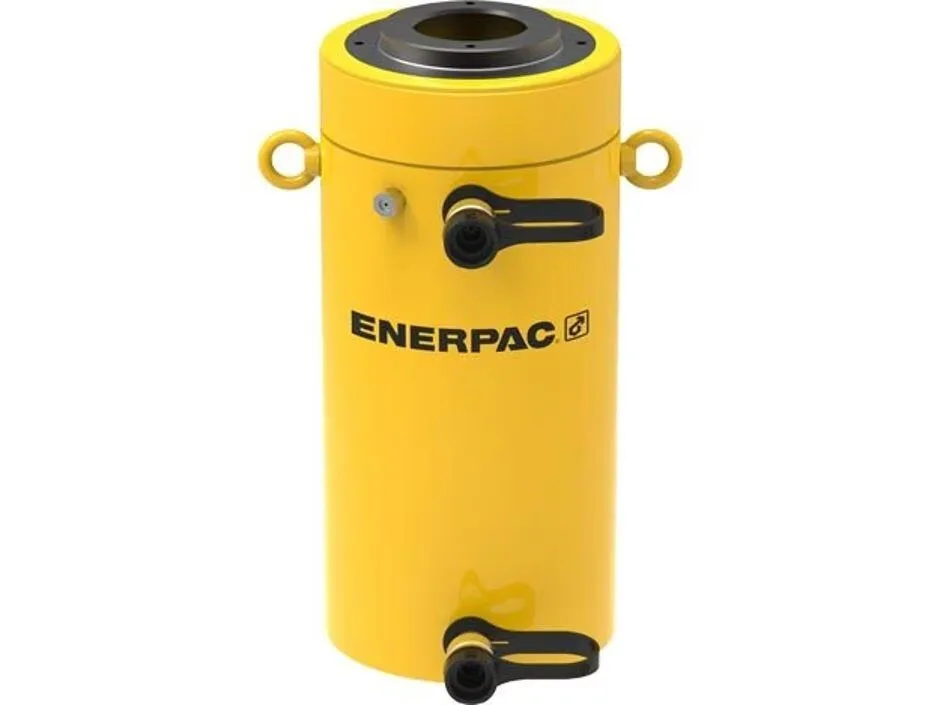
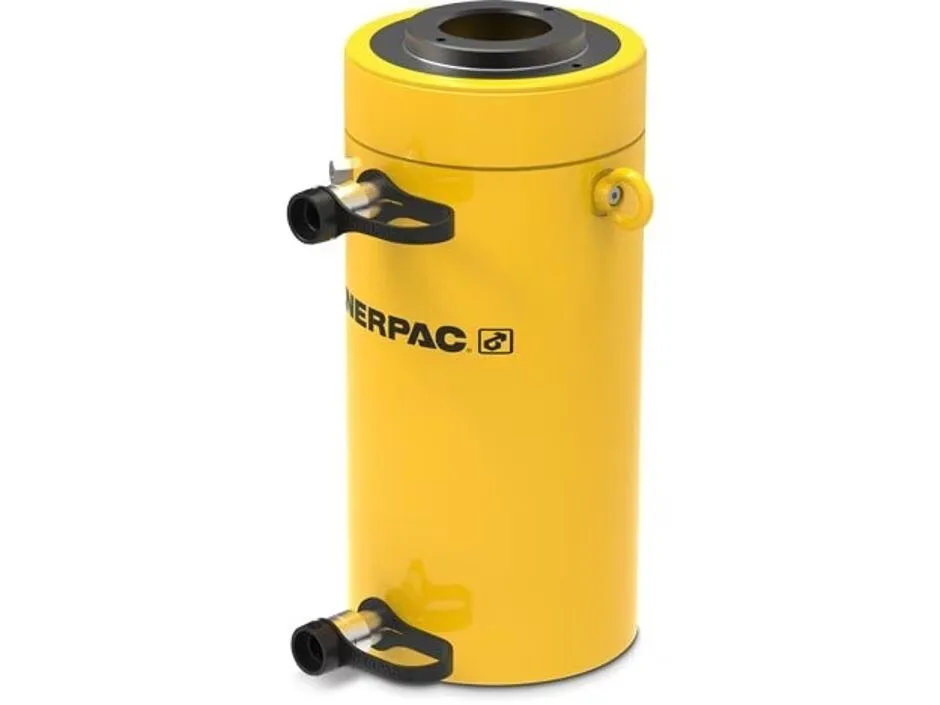
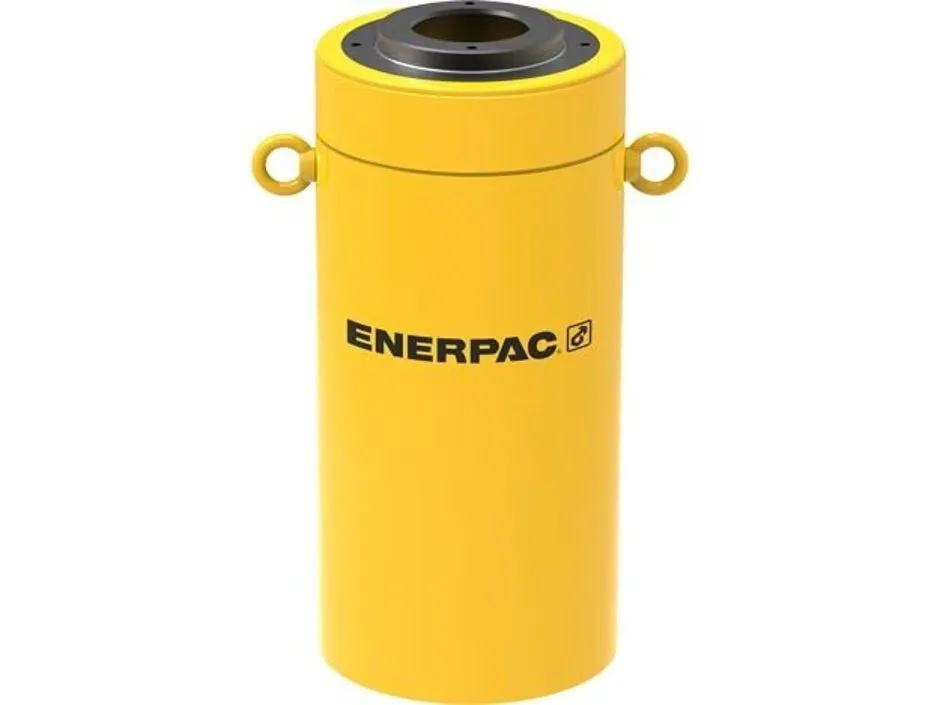
Enerpac RRH10010, 100 ton, Double-Acting, Hollow Plunger Hydraulic Cylinder with 10.13 in Stroke,
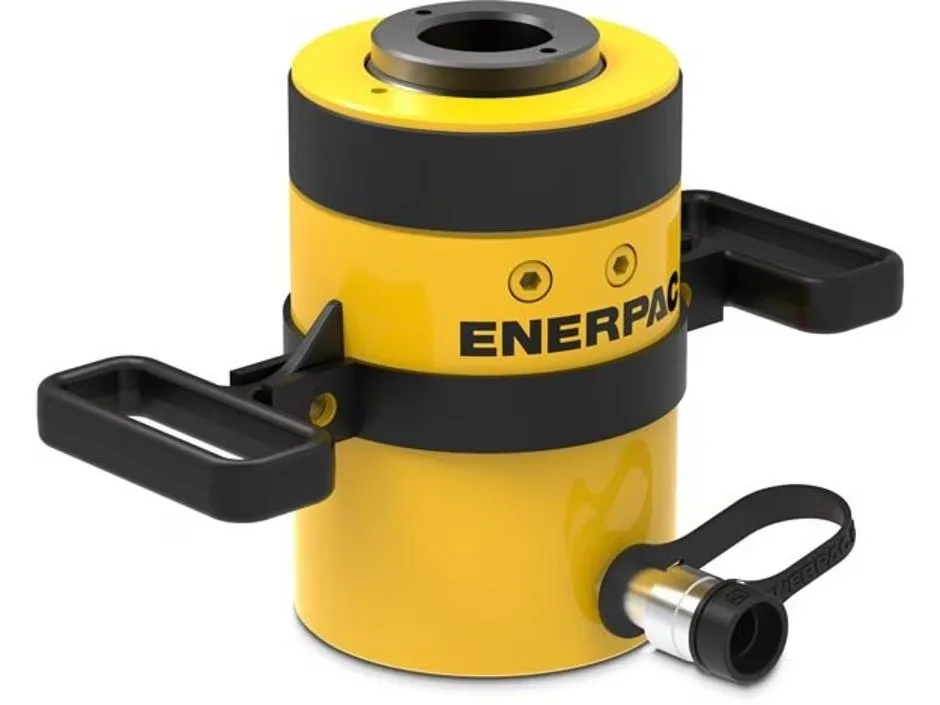
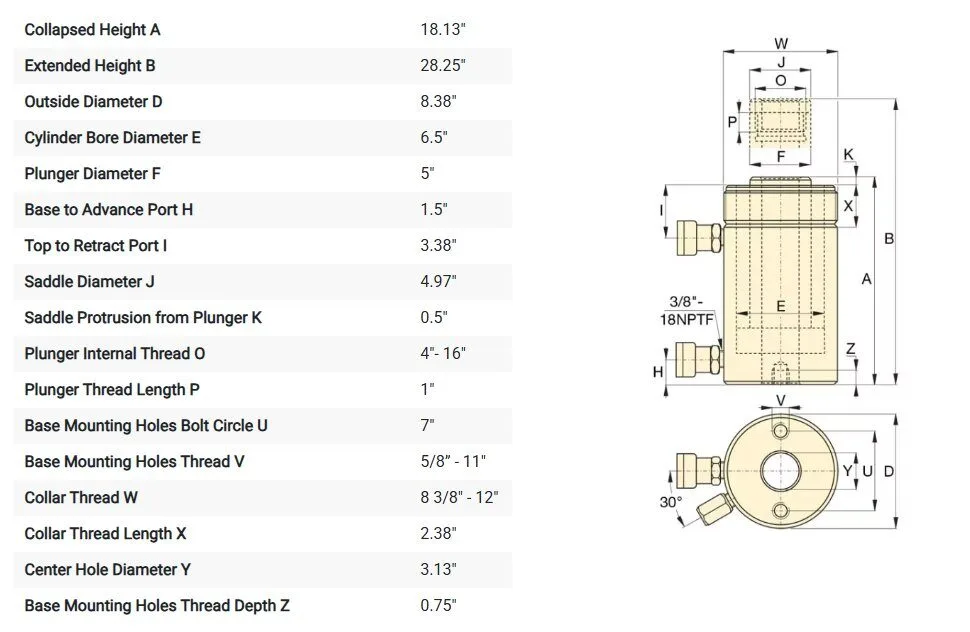
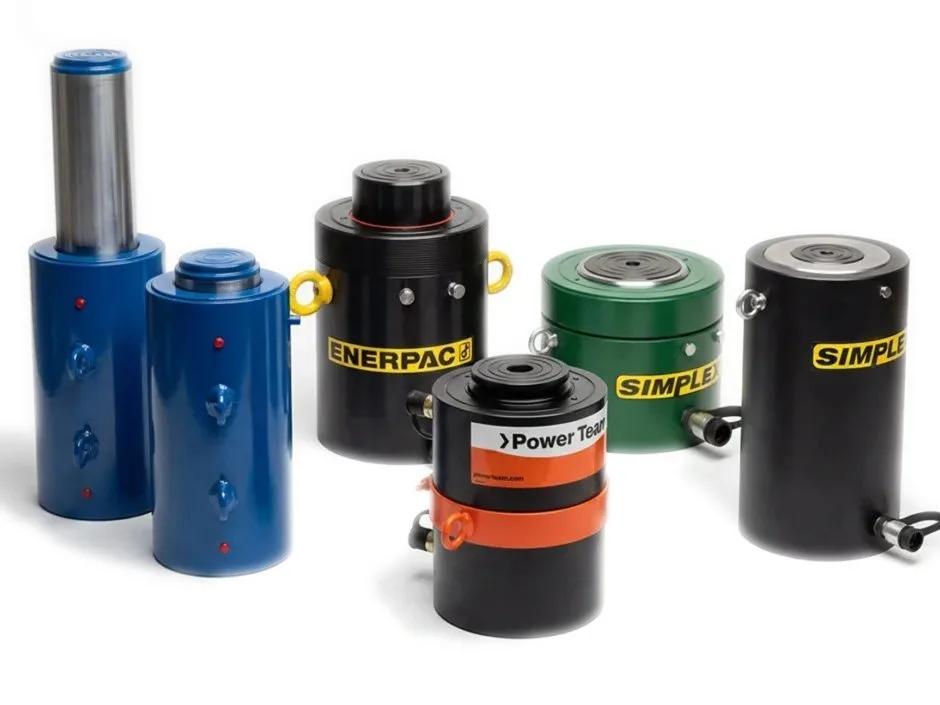
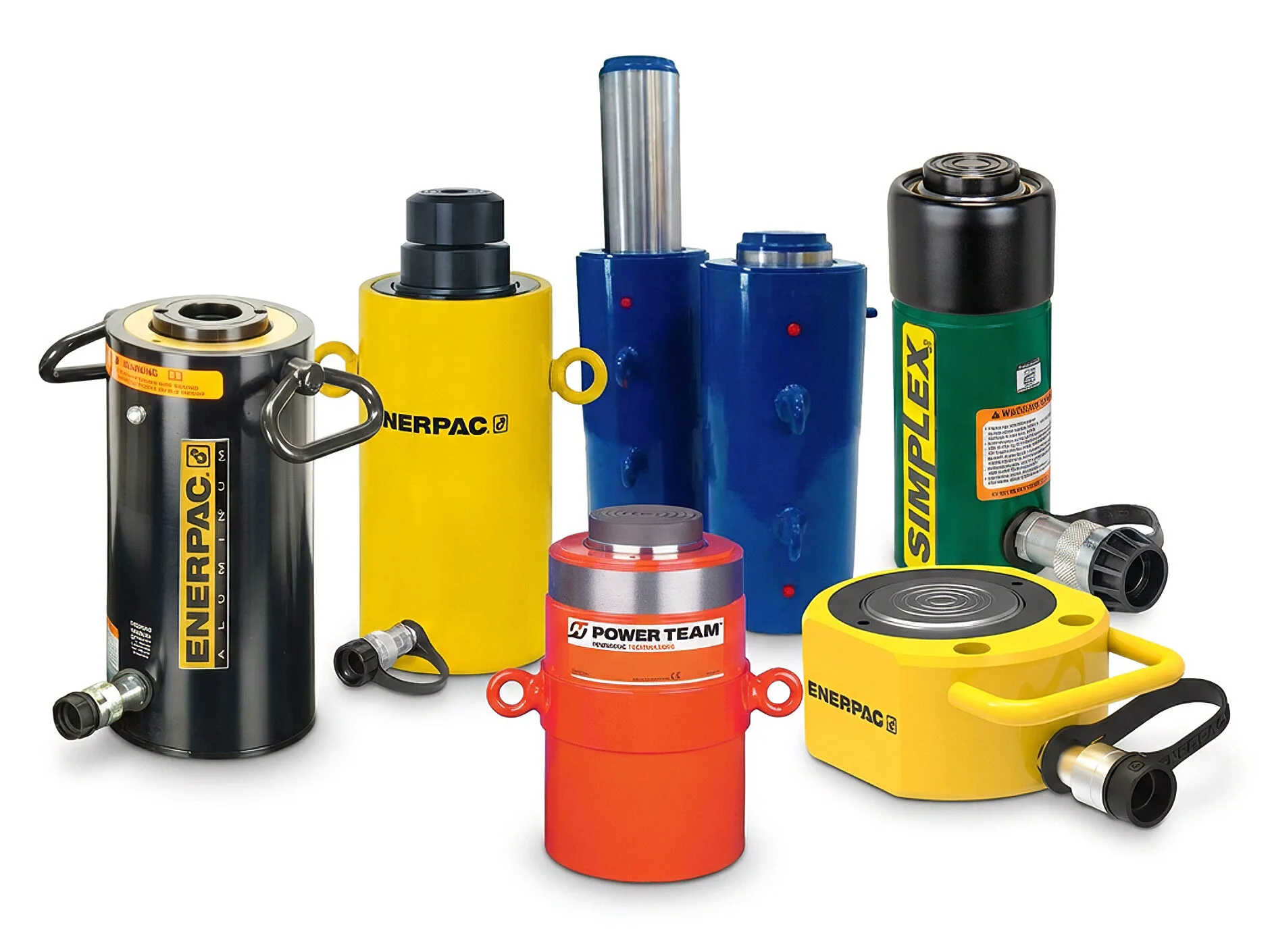
RRH-Series Hollow Plunger Hydraulic Cylinders are ideal for tensioning, testing, pulling, and lifting applications. The hollow bore, base threaded holes and collar thread allow attachments that enable the cylinder to deliver both pull and push forces. RRH double-acting center-hole hydraulic cylinders feature two connection ports to provide hydraulic flow to both advance and retract the plunger. This provides a more controlled retraction than single-acting cylinders. Cylinders in the RRH-Series are constructed from high-alloy steel and finished with a baked enamel exterior coating. Collar threads and base holes for easy fixturing are provided as standard.
RRH-Series Hollow Plunger Hydraulic Cylinders are ideal for tensioning, testing, pulling, and lifting applications. The hollow bore, base threaded holes and collar thread allow attachments that enable the cylinder to deliver both pull and push forces.
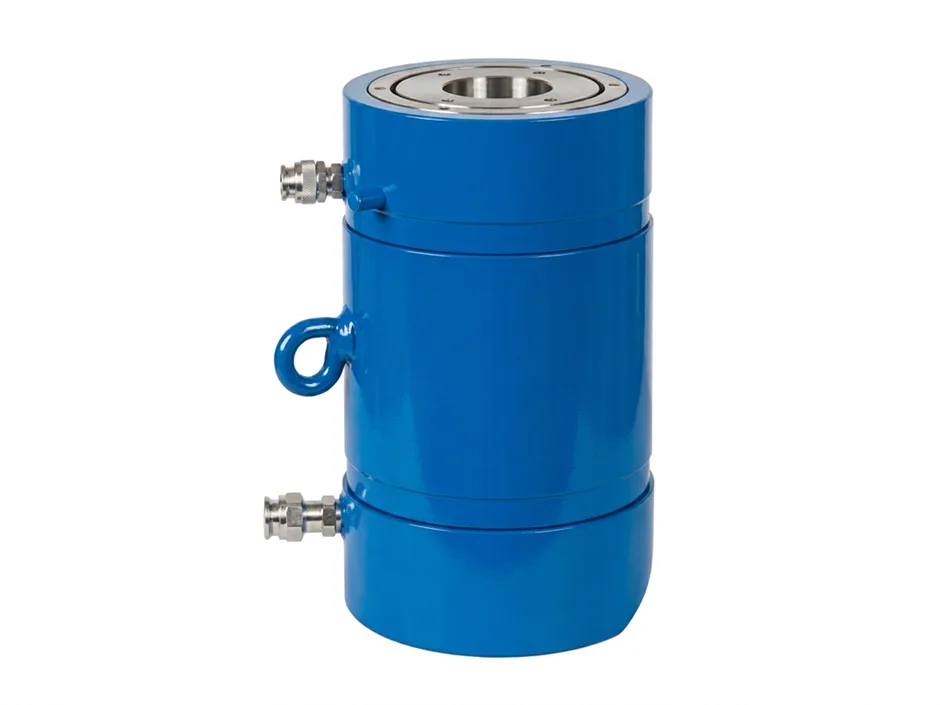
RRH double-acting center-hole hydraulic cylinders feature two connection ports to provide hydraulic flow to both advance and retract the plunger. This provides a more controlled retraction than single-acting cylinders.
Cylinders in the RRH-Series are constructed from high-alloy steel and finished with a baked enamel exterior coating. Collar threads and base holes for easy fixturing are provided as standard.
Enerpac has designed and manufactured 10,000 psi (700 bar) high-pressure hydraulic cylinders for many decades. We use only the highest quality materials to ensure they can withstand the most demanding applications. All RRH cylinders meet the safety standards required for high-pressure hydraulic tools.
Features
Relief valves prevent damage in case of over-pressurization
Baked enamel finish for increased corrosion resistance
Collar threads enable easy fixturing
Double-acting operation for fast retraction
Nickel-plated, floating center tube increases product life
Hollow plunger allows for both pull and push forces
CR-400 couplers and dust caps included on all models
Plunger wiper reduces contamination, extending cylinder life
Hydraulic center hole cylinder rentals provide controlled pulling, tensioning, stressing, and liftin...
⚖️ Capacity Range:
10 – 500+ Tons
↕️ Stroke Range:
2 – 12 Inches
Key Advantages / Use-Case Features
100-ton pulling, pushing, and lifting capability: Built for heavy industrial load handling where high force and long travel are required.
Hollow plunger design: Allows rods, cables, anchor studs, and tension bars to pass through the cylinder — ideal for pulling, tensioning, and anchor testing.
Double-acting operation: Hydraulic extension and hydraulic retraction provide faster cycling, better control, and superior reliability in vertical, horizontal, or inverted orientations.
Long 10.13″ stroke: Suitable for applications requiring substantial movement under continuous hydraulic control.
Industrial-grade durability: Heat-treated steel body and piston ensure long life under extreme loads, side stresses, and high-pressure environments.
Enerpac couplers and porting: Standard CR-400 high-pressure couplers provide compatibility across Enerpac pumps and hoses.
🛠 Considerations / Limitations
Requires a double-acting hydraulic pump: Two hoses must be connected — one for extension and one for pressurized retraction.
Larger size & weight: Long-stroke, high-tonnage cylinders are heavier and bulkier than compact versions.
Center-hole diameter constraints: Ensure the pull rod or tension bar fits the plunger opening for your application.
Strict alignment required: Loads must be centered to avoid uneven wear or side-loading damage.
More hydraulic connections: Double-acting cylinders require careful hose routing and secure fittings due to dual-port operation.
Center hole cylinders allow precise tensile force to be applied directly along the bolt axis, ensuring accurate preload without inducing bending or misalignment.
Center hole cylinders are commonly used for pulling, tensioning, and detensioning applications when properly configured with threaded adapters and reaction fixtures.
Center hole cylinder rentals provide access to specialized equipment for project-specific needs without the cost, storage, or maintenance requirements of ownership.