Synchronous Lifting System Rentals
Synchronous lifting system rentals provide precision-controlled multi-point lifting for heavy structures and equipment where maintaining level movement is critical. These systems use multiple hydraulic cylinders controlled through a centralized control unit to lift loads evenly, ensuring stable elevation and reducing the risk of twisting, binding, or structural damage.
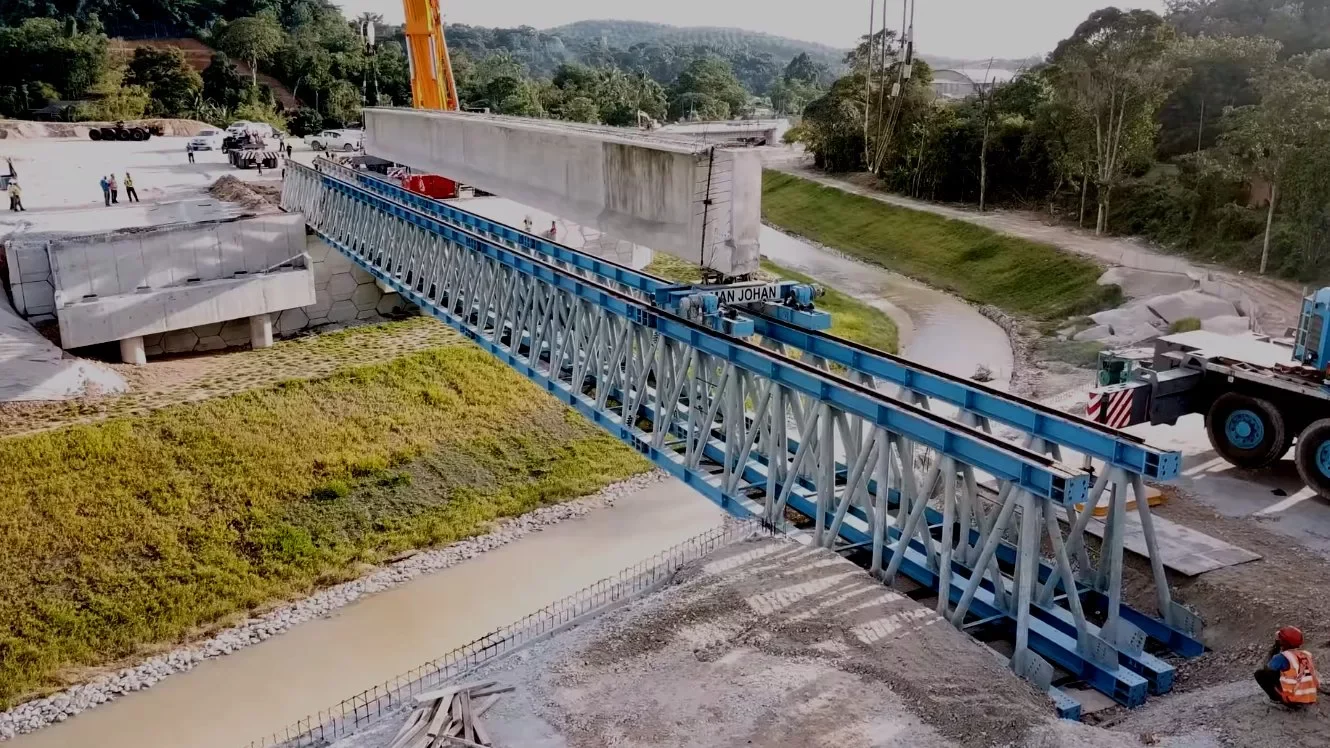
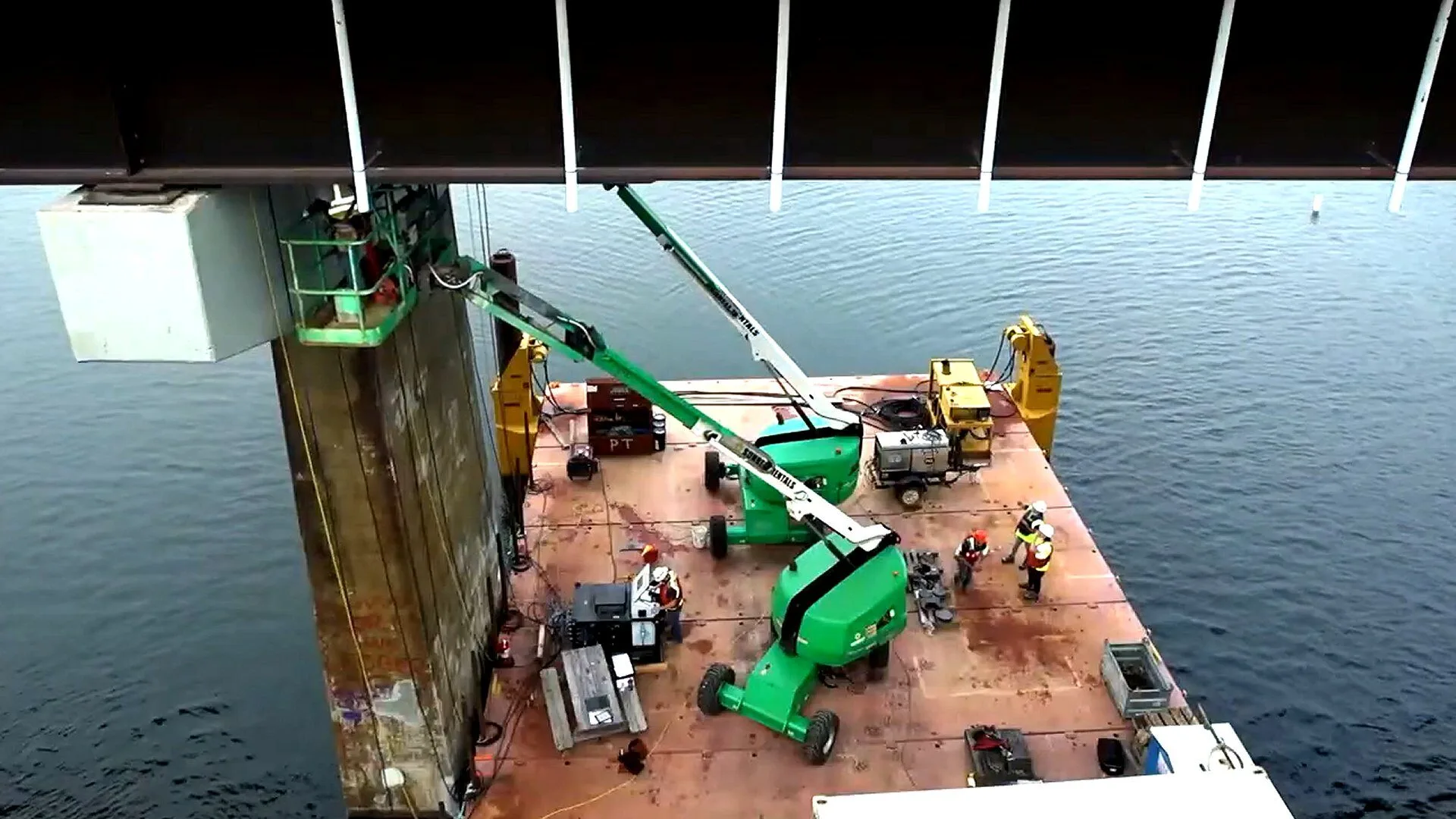
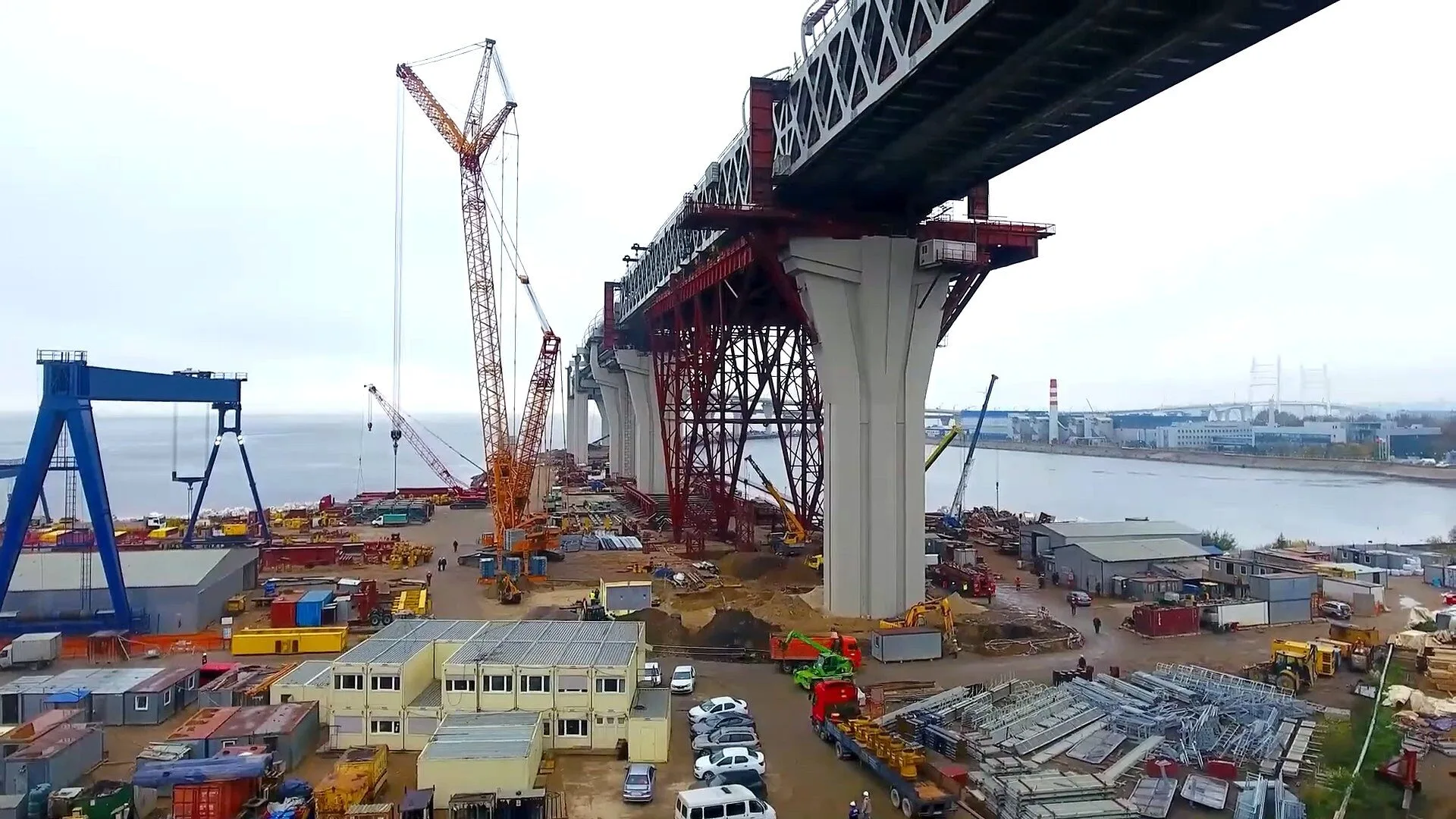
Synchronous lifting is commonly used in bridge lifting, structural relocation, heavy equipment installation, shipyard lifting, and infrastructure rehabilitation projects where exact lift control is required. These systems are designed to monitor and adjust pressure and movement across all lifting points in real time.
Hydraulic Rentals supplies synchronous lifting system rentals for projects throughout New York, New Jersey, and Connecticut. For lift planning support and equipment selection, call 866-522-5464 and speak with a heavy lifting specialist.
What Are Synchronous Lifting Systems?
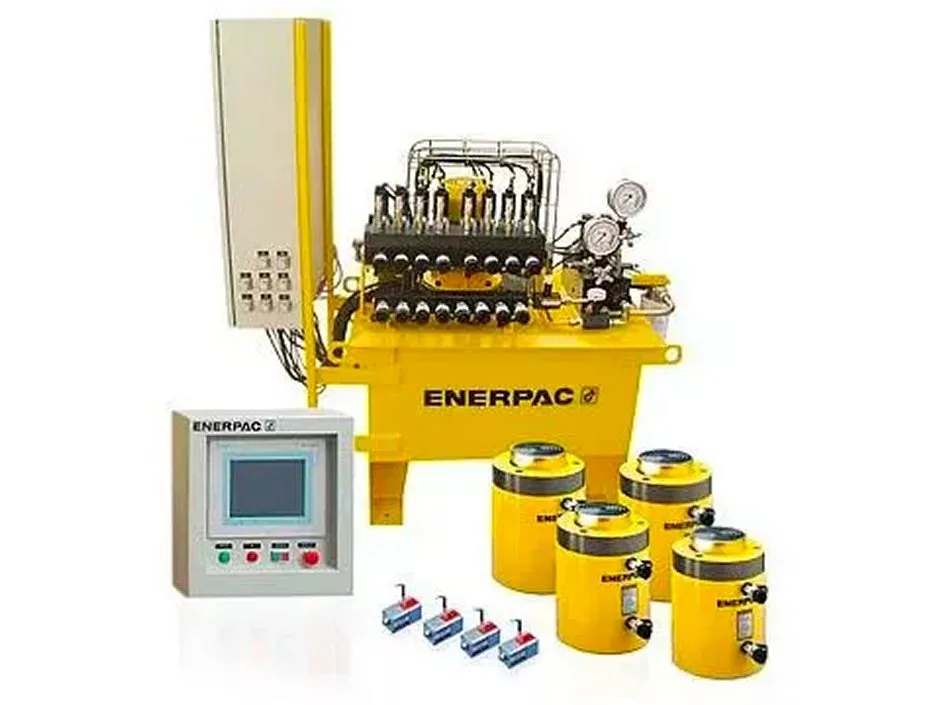
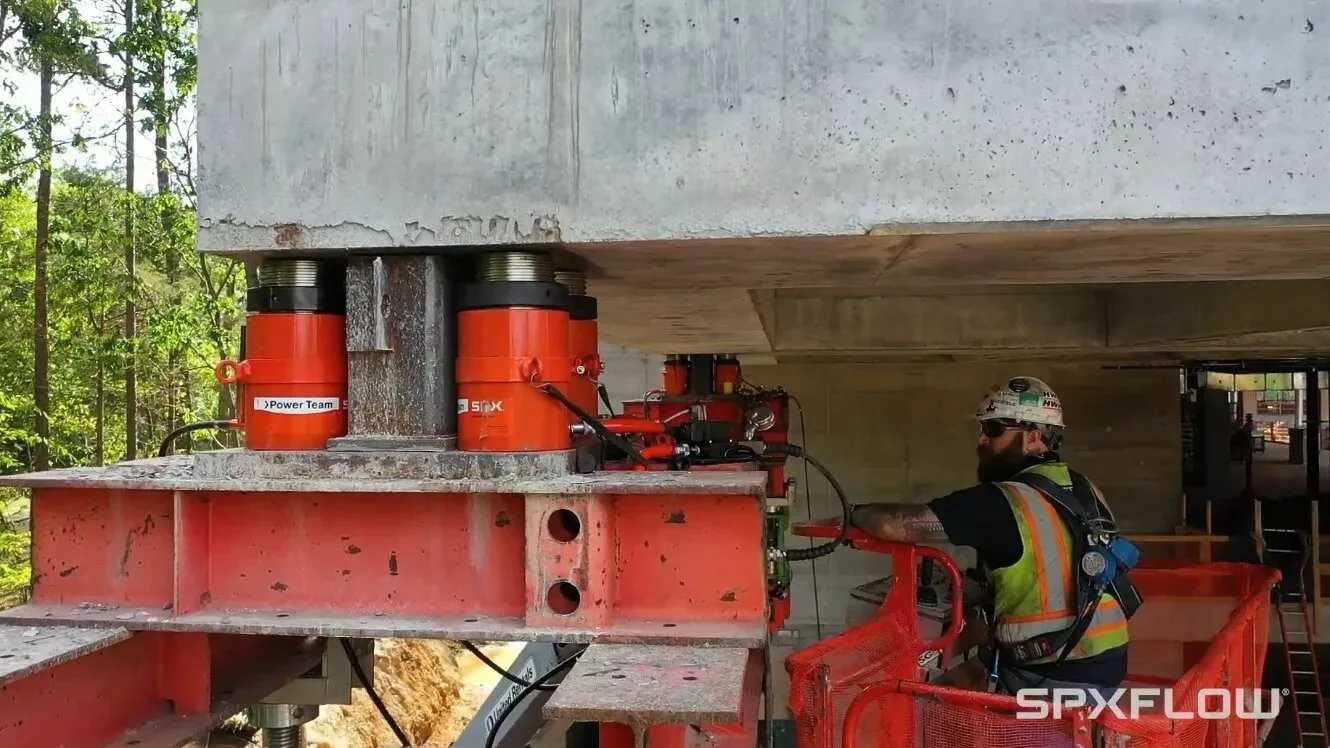
Synchronous lifting systems are advanced hydraulic lifting systems designed to lift heavy loads using multiple cylinders that move together in a coordinated manner. Unlike basic multi-point lifting setups where cylinders may move unevenly, synchronous systems are designed to keep all lift points aligned by controlling cylinder stroke movement.
These systems typically use a control unit connected to hydraulic pumps and manifolds, with monitoring sensors that measure cylinder position and load. The control system automatically balances lifting force and stroke to maintain even lifting.
Synchronous lifting systems are often used when precision is required, such as lifting bridges, large structural frames, heavy machinery bases, and offshore or marine components.
Key Features & Benefits of Synchronous Lifting System Rentals
Synchronous lifting system rentals provide maximum lift control for high-risk and high-value projects.
Precision multi-point lifting control
Synchronous systems keep lifting points level and aligned during elevation.
Reduced risk of twisting and structural damage
Even lifting prevents binding and reduces stress on structures and equipment.
Real-time monitoring and automatic balancing
Control systems monitor cylinder movement and automatically adjust output for balanced lifting.
Ideal for complex engineered lifts
These systems are designed for critical lifts where load control and safety are essential.
Supports heavy loads and large structures
Synchronous systems can be configured for extremely high tonnage lifting applications.
Cost-effective access to advanced lifting technology
Renting provides access to high-level lifting systems without major ownership costs.
Common Applications for Synchronous Lifting System Rentals
Synchronous lifting systems are used in heavy lifting projects where precision is required.
Common applications include:
- Bridge lifting and deck replacement projects
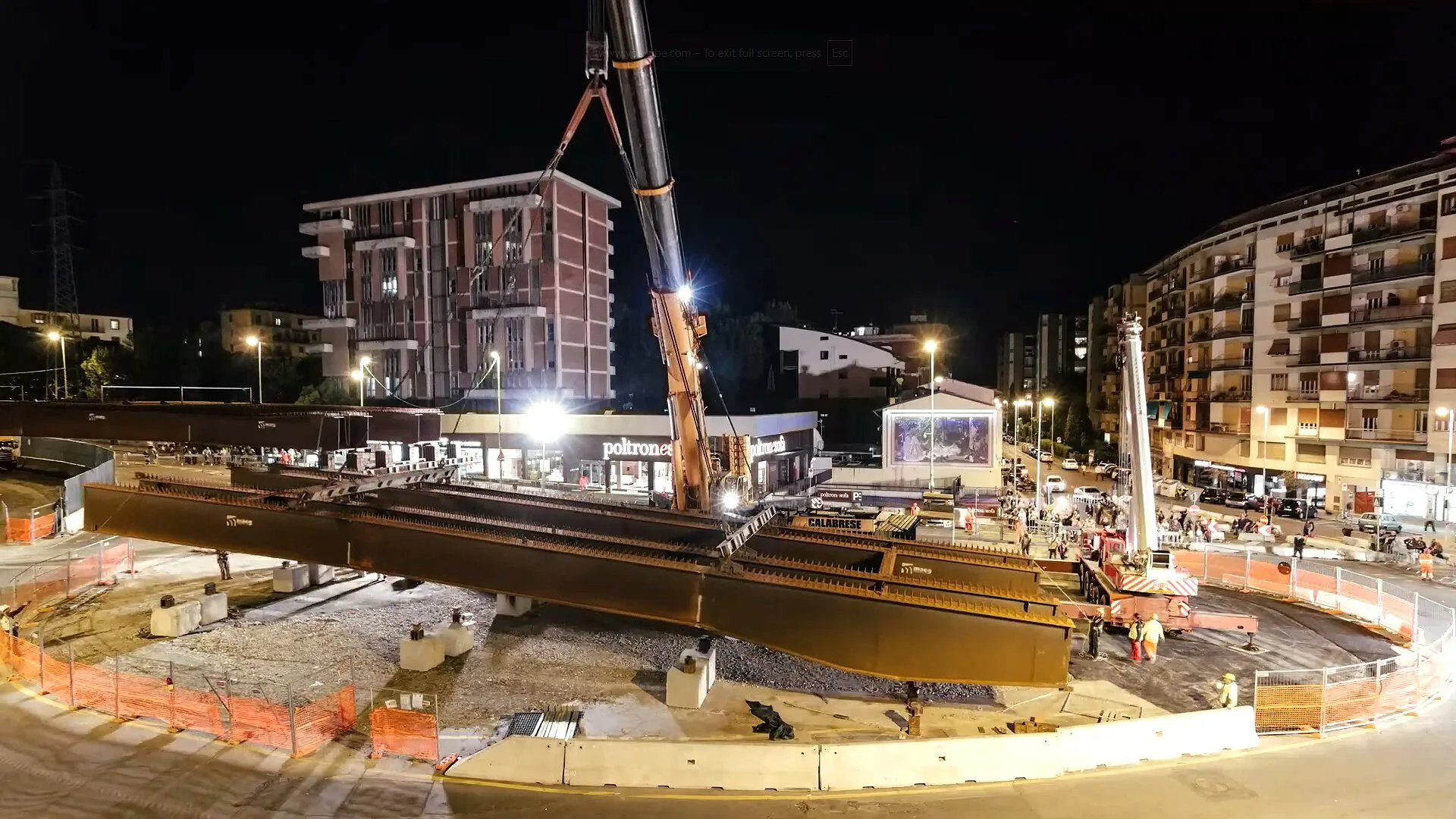
- Structural relocation and building elevation
- Heavy equipment installation and removal
- Power plant and refinery shutdown lifting operations
- Marine lifting and shipyard projects
- Rail and transportation infrastructure lifting
- Industrial foundation replacement and alignment
- Lifting large structural beams and platforms
- Controlled lowering and load transfer projects
Synchronous lifting systems are often required when lift points must remain level within strict tolerance.
Synchronous Lifting Systems vs Standard Multi-Point Jacking
Synchronous lifting systems offer major advantages compared to standard multi-point jacking setups.
Automatic leveling control
Standard multi-point systems may require manual adjustment, while synchronous systems automatically balance cylinder movement.
Improved safety and precision
Synchronous systems reduce risk of uneven lifting that could damage structures or create unsafe load conditions.
Better for high-value critical lifts
Bridge lifts, machinery relocation, and structural lifting often require synchronous control.
Enhanced monitoring and documentation
Many synchronous systems provide data monitoring and reporting for engineered lift documentation.
For simple lifts, standard jacks may work. For critical multi-point lifting, synchronous systems are often essential.