Hydraulic Rentals rent sell & service Hydraulic Jacks & Cylinders

CALL US on 866-522-5464 or Request A Quote Below

HomeRental Category ArticlesHydraulic Jacks vs Hydraulic Cylinders: What’s the Difference?

Hydraulic Jacks vs Hydraulic Cylinders: What’s the Difference?

⚙️ Equipment Type :
Hydraulic Jacks And Hydraulic Cylinders
🏗️ Primary Use:
Portable Lifting / Engineered Force Application
🔧 System Configuration :
Self-Contained / External Hydraulic System
📍 Common Applications :
Maintenance, Rigging & Lifting / Structural & Synchronous Lifting
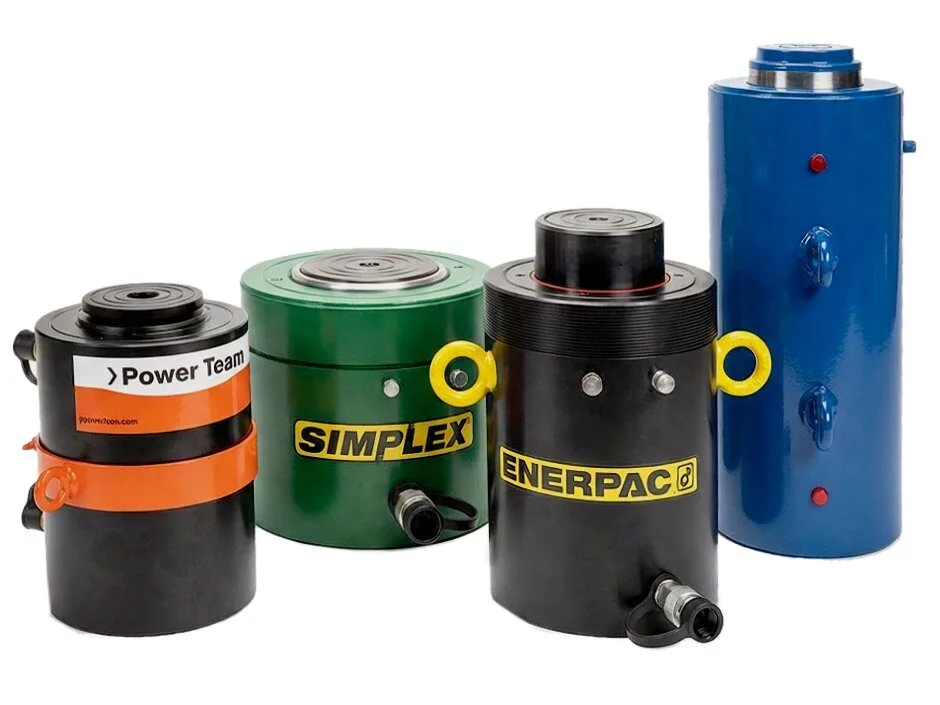
MAUFACTURED BY | Enerpac, Power Team, Simplex

Hydraulic jacks and hydraulic cylinders are often confused within the lifting and construction industries because both use hydraulic pressure to generate lifting force. In many cases, contractors, equipment suppliers, and even manufacturers use the terms interchangeably. However, while hydraulic jacks and hydraulic cylinders may appear similar, they are designed for different types of lifting applications and system configurations.

Understanding the difference between a hydraulic jack and a hydraulic cylinder can help contractors, engineers, and project managers select the correct lifting equipment for structural lifting, machinery moving, maintenance shutdowns, post-tensioning, and heavy industrial projects.

Hydraulic Rentals supplies hydraulic jacks, hydraulic cylinders, and engineered lifting systems throughout New York, New Jersey, and Connecticut. For lifting equipment recommendations and rental support, call 866-522-5464 and speak with a lifting equipment specialist.

📘 What Is a Hydraulic Jack?

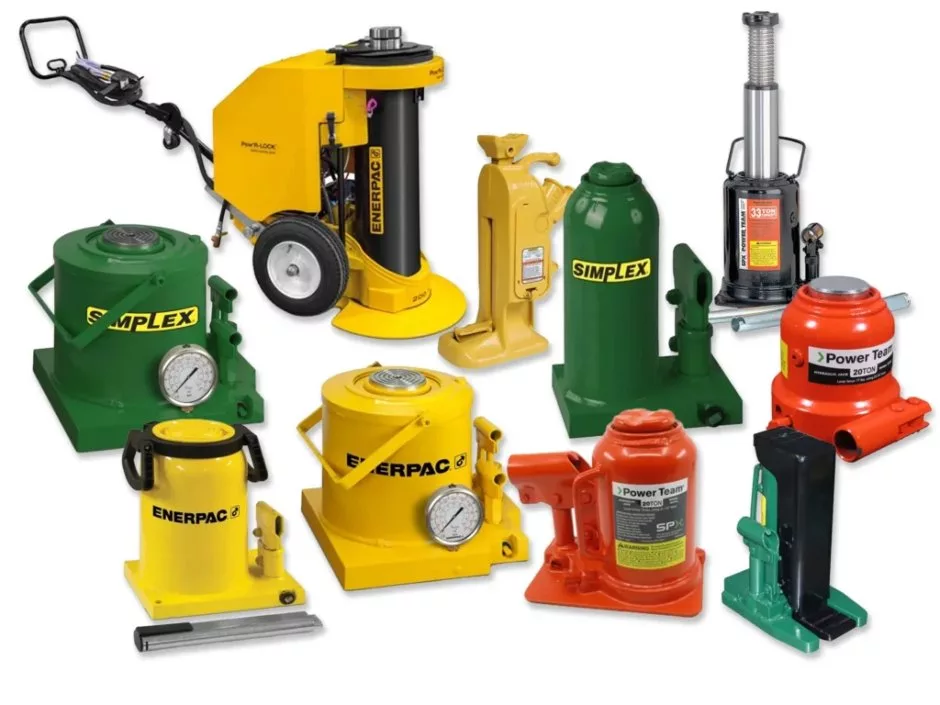
A hydraulic jack is a self-contained lifting device designed specifically for lifting and supporting loads. Hydraulic jacks are typically portable, stable, and intended for direct lifting applications where the jack itself acts as the primary lifting tool.

Hydraulic jacks commonly include:
  • Integrated lifting saddles
  • Stable lifting bases
  • Compact lifting frames
  • Manual or powered hydraulic systems
  • Portable lifting configurations
Hydraulic jacks are often selected for:
  • Equipment lifting
  • Vehicle lifting
  • Machinery relocation
  • Rail maintenance
  • Construction lifting
  • Maintenance operations
Common types of hydraulic jacks include:
  • Bottle jacks
  • Toe jacks
  • Wheeled jacks
  • Track jacks
  • Aluminum jacks
  • Steel jacks

Hydraulic jacks are generally easier to position and operate in field applications where portability and simplicity are important.


📘 What Is a Hydraulic Cylinder?

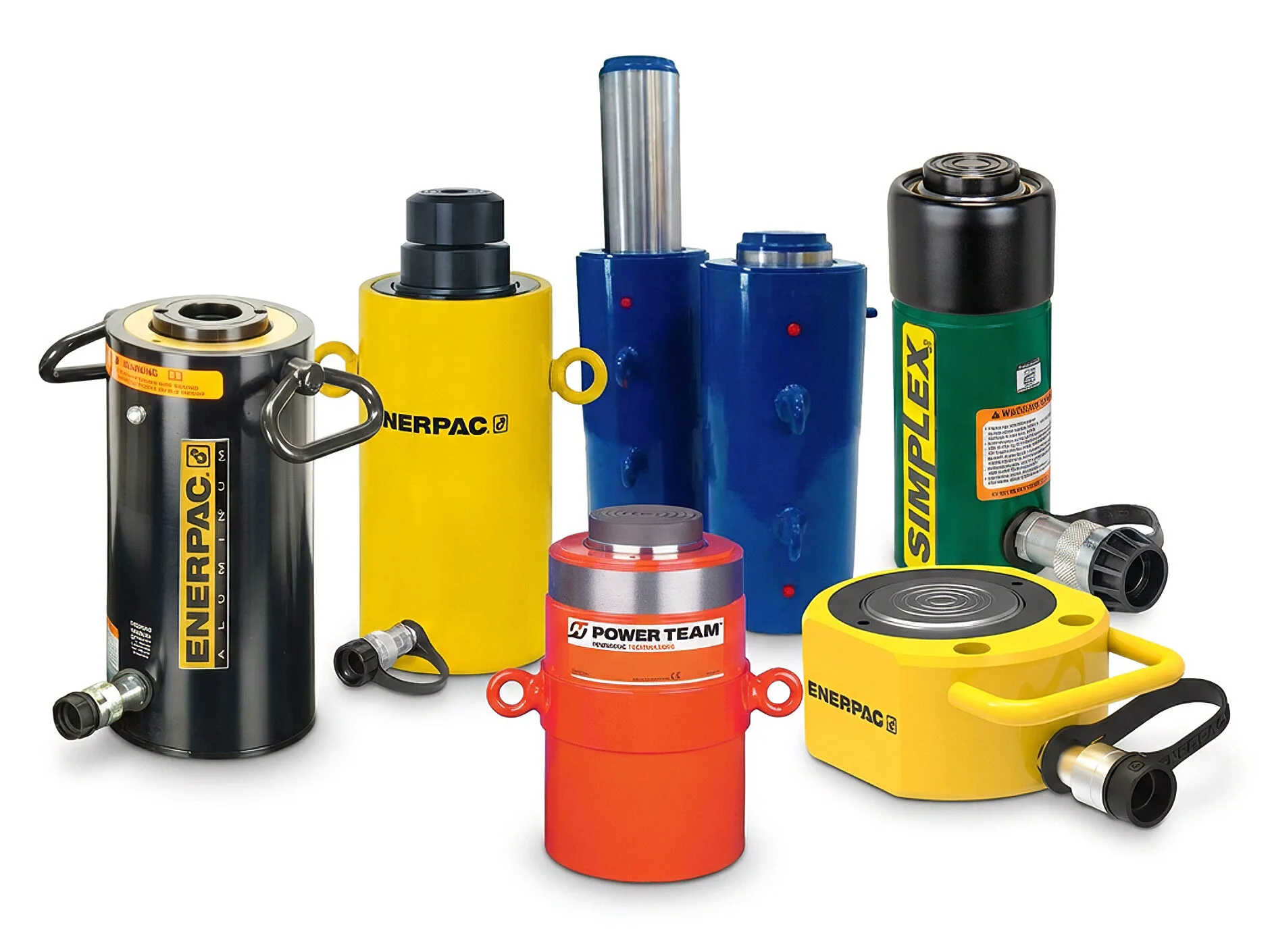
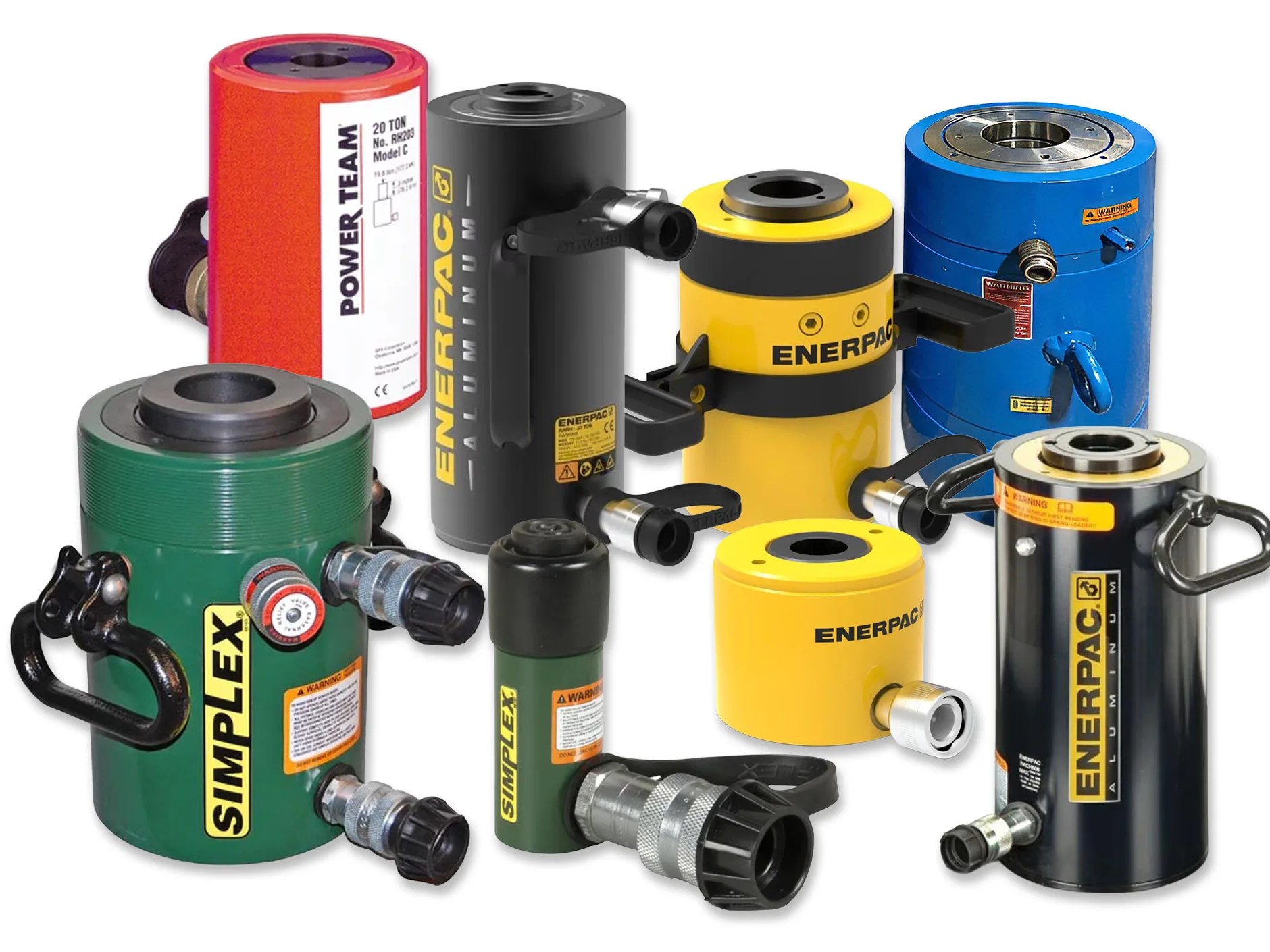
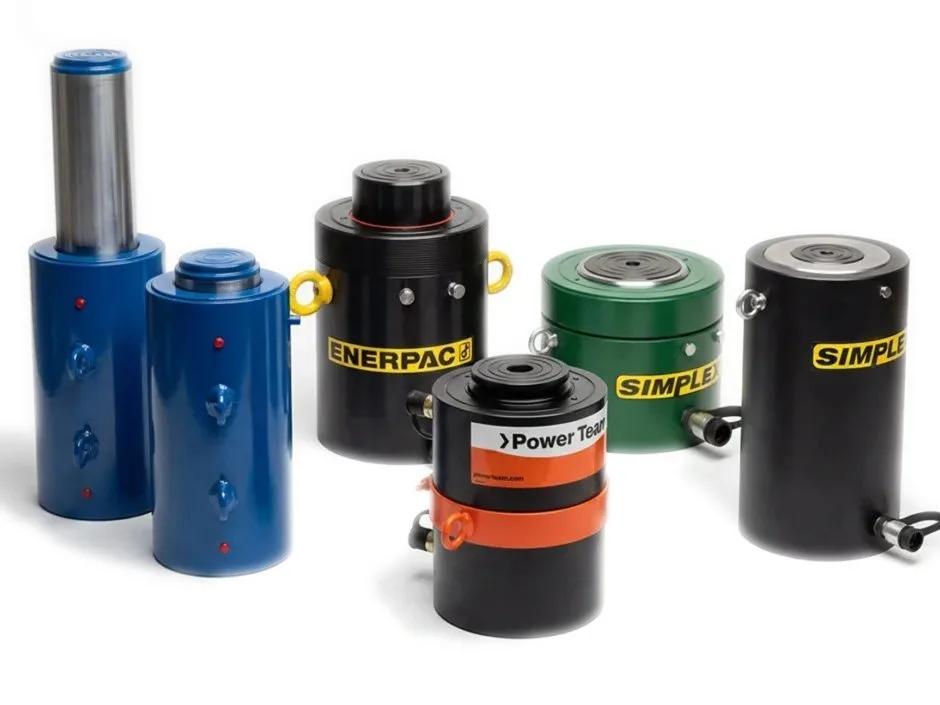
A hydraulic cylinder is a hydraulic force actuator designed to generate controlled linear force within a hydraulic system. Unlike many hydraulic jacks, cylinders are usually part of a larger engineered lifting or pushing system rather than standalone lifting tools.

Hydraulic cylinders commonly require:

  • External hydraulic pumps
  • Hydraulic hoses and couplers
  • Structural support systems
  • Engineered lifting setups
  • Load distribution planning
Hydraulic cylinders are widely used for:
  • Heavy lifting systems
  • Structural lifting
  • Bridge lifting
  • Synchronous lifting
  • Post-tensioning
  • Industrial pushing and pulling applications
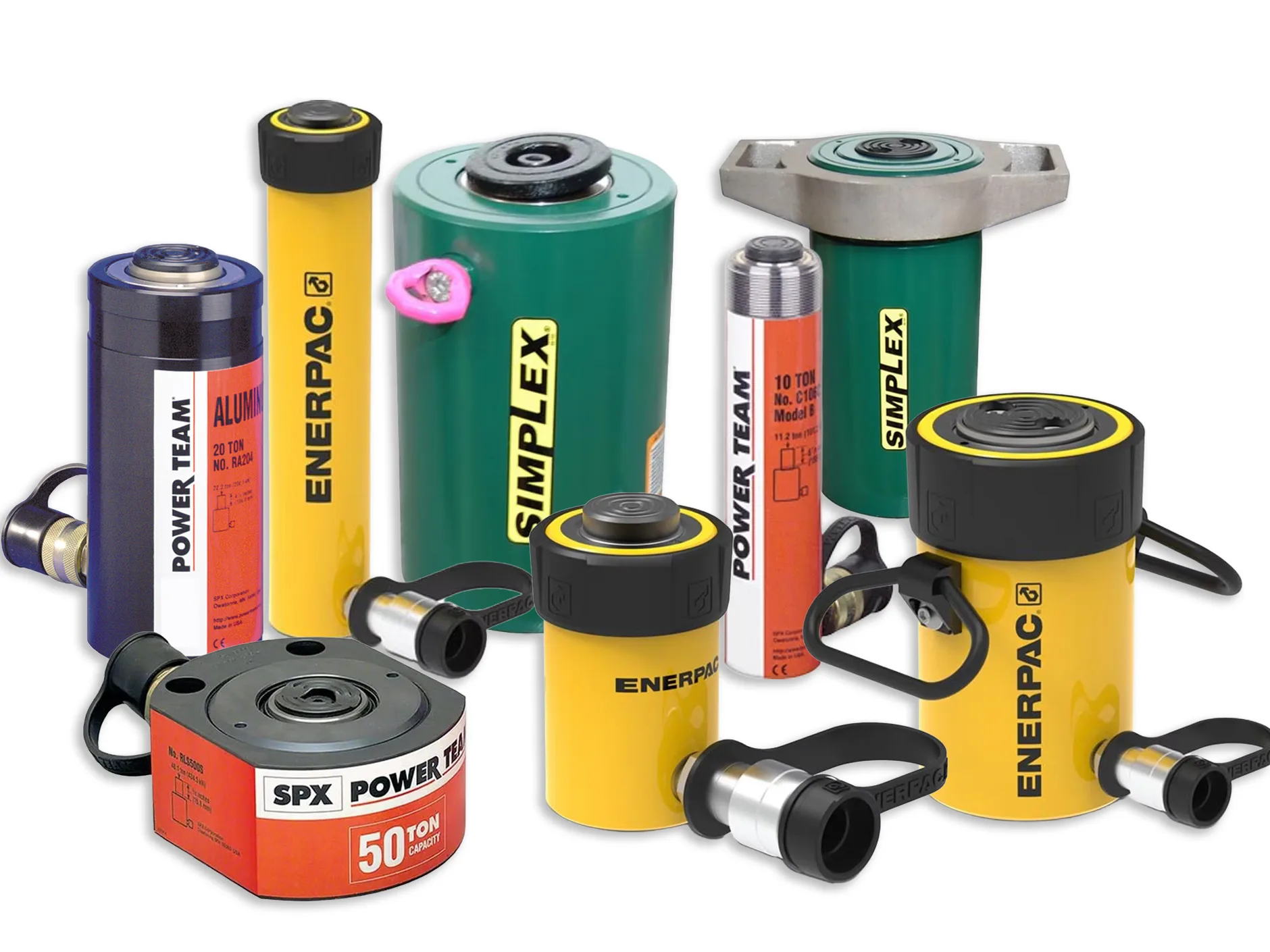
Common hydraulic cylinder types include:
  • Low-height cylinders
  • High tonnage cylinders
  • Hollow plunger cylinders
  • Lock nut cylinders
  • Telescopic cylinders
  • Pull cylinders
  • Center hole cylinders

Hydraulic cylinders are commonly used in applications where extremely high force and precise load control are required.


⚙️ Key Differences Between Hydraulic Jacks and Cylinders

Although both use hydraulic pressure, hydraulic jacks and cylinders are designed differently and serve different purposes.

Hydraulic Jacks

Hydraulic jacks are generally:
  • Portable lifting tools
  • Self-contained units
  • Designed for direct lifting applications
  • Easier to position and transport
  • Commonly used in field service work
Hydraulic jacks are ideal for:
  • Machinery lifting
  • Maintenance operations
  • Utility work
  • Equipment positioning
  • Portable lifting applications

🏗️ Why Are Hydraulic Jacks and Cylinders Often Confused?

The hydraulic industry frequently uses the terms “jack,” “ram,” and “cylinder” interchangeably, which creates confusion for many contractors and equipment users.

For example:
  • A contractor may refer to a low-height cylinder as a “low-profile jack.”
  • A hydraulic ram may technically be a hydraulic cylinder.
  • Some manufacturers market lifting cylinders as jacks depending on the application.
Manufacturers such as Enerpac typically classify:
  • Low-height units
  • High tonnage units
  • Lock nut units
  • Hollow plunger units

as hydraulic cylinders because they are designed for engineered lifting systems rather than general-purpose lifting.

However, in everyday field use, many operators still refer to them as hydraulic jacks.

This is extremely common within the lifting and rigging industry.


📈 Advantages of Hydraulic Jacks

Hydraulic jacks provide several advantages for portable lifting applications.

Portable and easy to position
Hydraulic jacks are commonly used in field environments where mobility is important.

Quick setup and operation
Most hydraulic jacks require minimal system configuration.

Ideal for maintenance work
Excellent for temporary lifting and equipment servicing applications.

Compact lifting solutions
Many jacks are suitable for confined-access environments.


📈 Advantages of Hydraulic Cylinders

Hydraulic cylinders provide several advantages for heavy industrial lifting systems.

Extremely high force capability
Designed for high tonnage lifting and structural applications.

Precise load control
Suitable for synchronized lifting and engineered projects.

Flexible system integration
Can be integrated into complex lifting systems.

Excellent for structural lifting
Widely used in bridge, infrastructure, and industrial projects.


💡 Which One Should You Rent?

Choosing between a hydraulic jack and a hydraulic cylinder depends on the application, lifting requirements, and project environment.

Hydraulic jacks are typically better for:
  • Portable lifting
  • Maintenance operations
  • Machinery relocation
  • Utility work
  • General lifting tasks
Hydraulic cylinders are typically better for:
  • Heavy structural lifting
  • Synchronous lifting systems
  • High tonnage applications
  • Engineered lifting projects
  • Controlled force applications

In many industrial projects, hydraulic cylinders and hydraulic jacks are used together within the same lifting operation.


🧭 Choosing the Right Hydraulic Lifting Equipment

Selecting the correct hydraulic lifting equipment depends on several important factors:

  • Required lifting capacity
  • Lift height and stroke requirements
  • Available access space
  • Portability requirements
  • Structural support conditions
  • Synchronization requirements
  • Pump and hydraulic power availability
  • Project engineering requirements

Hydraulic Rentals can help determine the correct hydraulic lifting equipment for your application, whether you require hydraulic jacks, hydraulic cylinders, or complete engineered lifting systems.

frequently asked questions about Cylinder & Jacks
single acting hydraulic cylinders

Hydraulic cylinders are generally better for extremely heavy engineered lifting applications.

single acting hydraulic cylinders

Hydraulic jacks are commonly used for portable lifting and maintenance applications.

single acting hydraulic cylinders

Yes. Hydraulic cylinders are widely used for lifting applications.

single acting hydraulic cylinders

Because they are designed as engineered lifting cylinders rather than portable lifting jacks.

single acting hydraulic cylinders

Bottle jacks contain hydraulic cylinders but are considered hydraulic jacks.

single acting hydraulic cylinders

A hydraulic ram is another term often used for a hydraulic cylinder.

single acting hydraulic cylinders

Because the terms are often used interchangeably in the lifting industry.

single acting hydraulic cylinders

No. A hydraulic jack is usually a lifting tool, while a hydraulic cylinder is a hydraulic force actuator.

Share this Cylinder & Jacks Article with your Friend & Collogues
Email
LinkedIn
WhatsApp
Twitter
Facebook