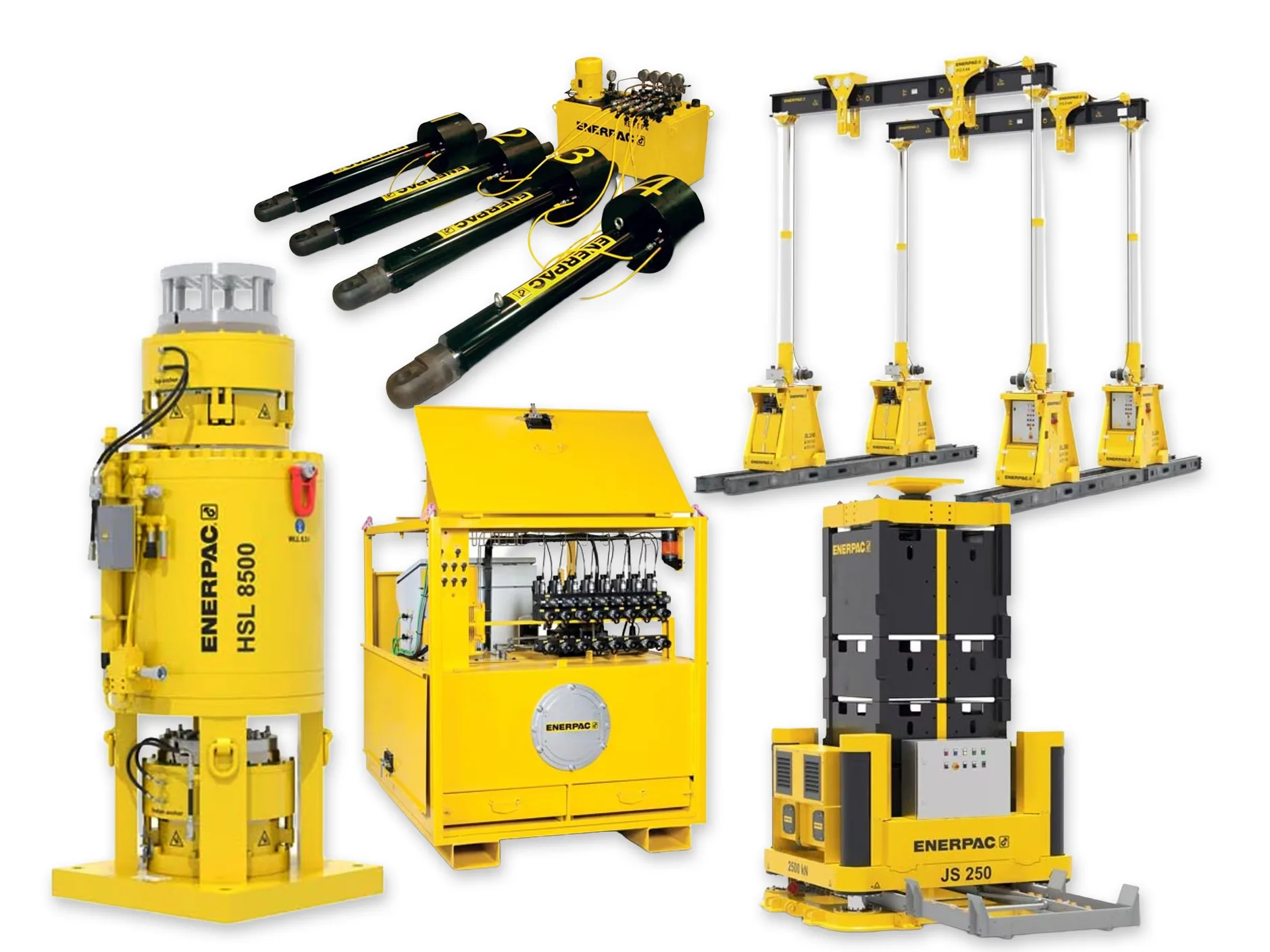
Hydraulic Jack-Up System Rentals
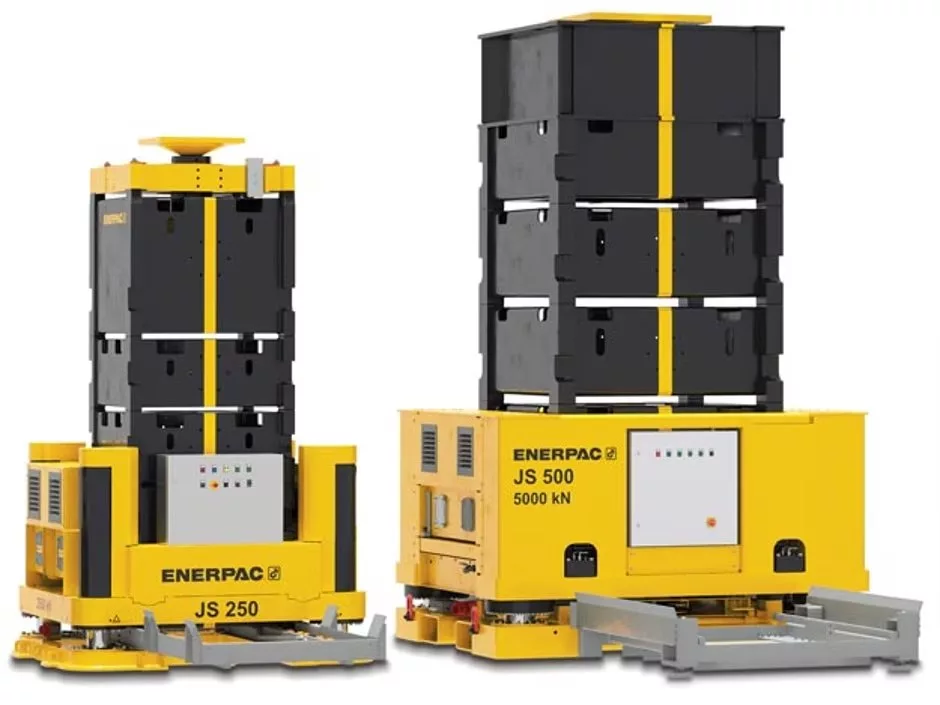
Hydraulic jack-up system rentals provide controlled lifting and elevation capability for heavy structures, equipment, and infrastructure components where standard jacks are not sufficient. Jack-up systems are engineered lifting solutions designed to raise large loads evenly, safely, and with precise control.
These systems are commonly used for bridge lifting, building relocation support, industrial equipment installation, structural maintenance, and heavy construction projects where load distribution and stability are critical. Jack-up systems are often modular, allowing them to be configured for different load capacities, lift heights, and multi-point lifting requirements.
Hydraulic Rentals supplies hydraulic jack-up system rentals for projects throughout New York, New Jersey, and Connecticut. To discuss system sizing, lift planning, and project requirements, call 866-522-5464 and speak with a heavy lifting rental specialist.
What Are Hydraulic Jack-Up Systems?
Hydraulic jack-up systems are specialized lifting systems designed to raise heavy loads using synchronized hydraulic cylinders, lifting frames, and support structures. Unlike standard hydraulic jacks that lift from a single point, jack-up systems are designed to distribute lifting forces across multiple points, improving stability and reducing structural stress.
Jack-up systems are commonly used when loads must be raised evenly to prevent twisting, binding, or uneven load transfer. These systems are often used with cribbing, lifting beams, and monitoring equipment to ensure safe and controlled lifting.
Jack-up systems may be used for temporary elevation, equipment removal and installation, or long-term structural support applications.
Key Features & Benefits of Hydraulic Jack-Up System Rentals
Hydraulic jack-up system rentals provide engineered lifting capability for complex projects.
Multi-point lifting capability
Jack-up systems can lift from multiple points to balance loads and prevent uneven elevation.
Controlled lifting for structural safety
Controlled hydraulic movement helps prevent damage caused by uneven lifting forces.
Modular and scalable system design
Jack-up systems can be configured for different capacities and lift requirements.
Ideal for heavy equipment installation and removal
These systems support controlled elevation of equipment for installation, repair, or replacement.
Supports large lift heights with stability
Jack-up systems can often lift higher than standard jacks while maintaining load stability.
Cost-effective alternative to purchasing engineered lifting systems
Renting provides access to professional lifting systems without major capital investment.
Common Applications for Hydraulic Jack-Up System Rentals
Hydraulic jack-up systems are used in many heavy lifting and structural support applications.
Common applications include:
- Bridge lifting and rehabilitation projects
- Raising structural beams and girders
- Building elevation and support operations
- Industrial machinery installation and relocation
- Power plant equipment replacement projects
- Heavy equipment foundation repair work
- Structural bearing replacement and maintenance
- Marine dock and port infrastructure lifting
- Load transfer and support during demolition or retrofit work
Jack-up systems are often required when large loads must be raised evenly across multiple points.
Hydraulic Jack-Up Systems vs Standard Hydraulic Jacks
Jack-up systems provide major advantages compared to standard jacking methods.
Better load distribution
Standard jacks lift from a single point, while jack-up systems spread the load across multiple lift points.
Improved safety and control
Jack-up systems are designed for controlled synchronized movement and reduced risk of uneven lifting.
Higher stability for large structures
Jack-up systems often include frames, guides, and support structures for safe lifting.
More suitable for engineered lifting projects
Jack-up systems are commonly used in projects requiring engineered lift plans and controlled elevation.
For basic lifting tasks, standard jacks may be sufficient. For large structural lifting, jack-up systems are often the safest solution.