
Renting provides access to the correct lifting equipment without ownership costs.
They are used for machinery alignment, structural support, equipment positioning, and industrial maintenance work.
Hydraulic cutters can cut rebar, bolts, threaded rod, steel cable, chain, and some structural components.
A hydraulic torque wrench pump is used to power hydraulic torque wrenches for tightening and loosening large industrial bolts.
For precision positioning and long-term support, mechanical screw jacks can offer advantages.
Yes. Knockout punching is one of the most common uses for hydraulic punch tools.
Yes. Most synchronous lifting projects require engineered lift planning and load distribution calculations.
Yes, if the pump is equipped with the correct valve configuration.
In some applications, hydraulic gantries provide better access and more controlled lifting than cranes.
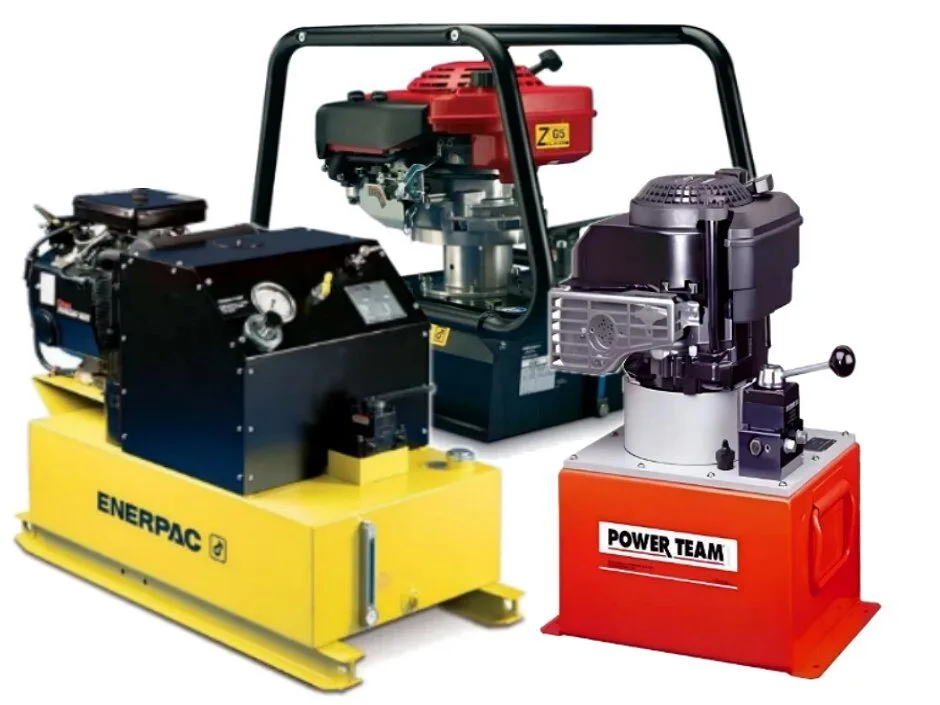
Single-acting pumps power extension only, while double-acting pumps provide pressure for both extension and retraction.
Yes. They are commonly used during industrial shutdowns and maintenance operations.
Proof load testing applies a specified load to confirm an anchor can hold without failure.