
Yes, when properly configured and used with the correct rated equipment and safety procedures.
Rebar grips themselves do not require a pump, but they are typically used with hydraulic cylinders that require a pump.
Hydraulic air pumps are used to power hydraulic cylinders and tools using compressed air instead of electricity or fuel.
They can. Readouts and monitoring equipment may be included depending on the rental package.
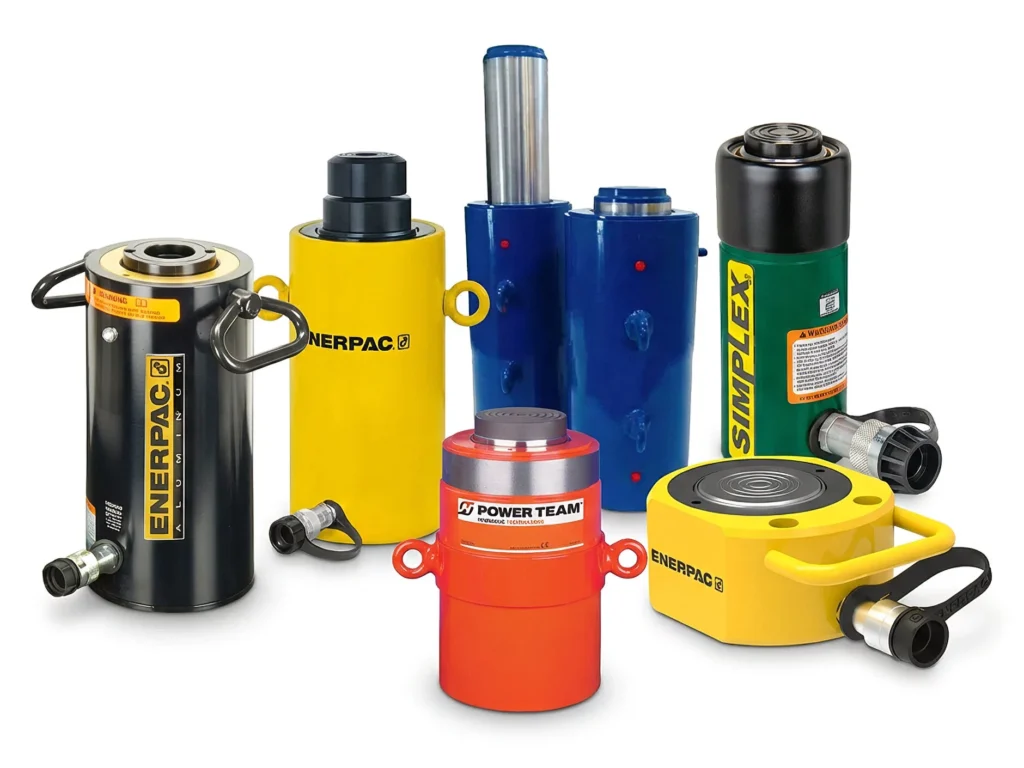
Yes. Hydraulic cylinders are widely used for lifting applications.
They are used for cable installation, wire pulling, utility work, and telecommunications projects.
Yes. They are commonly used inside industrial plants and restricted-access environments.
Hydraulic torque wrenches are used to tighten and loosen large bolts and nuts with controlled torque output.
Post-tensioning is a construction method where steel tendons are tensioned after concrete placement to strengthen the structure.
A mechanical ratchet jack is a manually operated lifting jack that uses a ratcheting mechanism to raise heavy loads incrementally.
Bottle jacks are designed for lifting and positioning loads. For extended load holding, mechanical supports or lock-nut cylinders are recommended for safety.
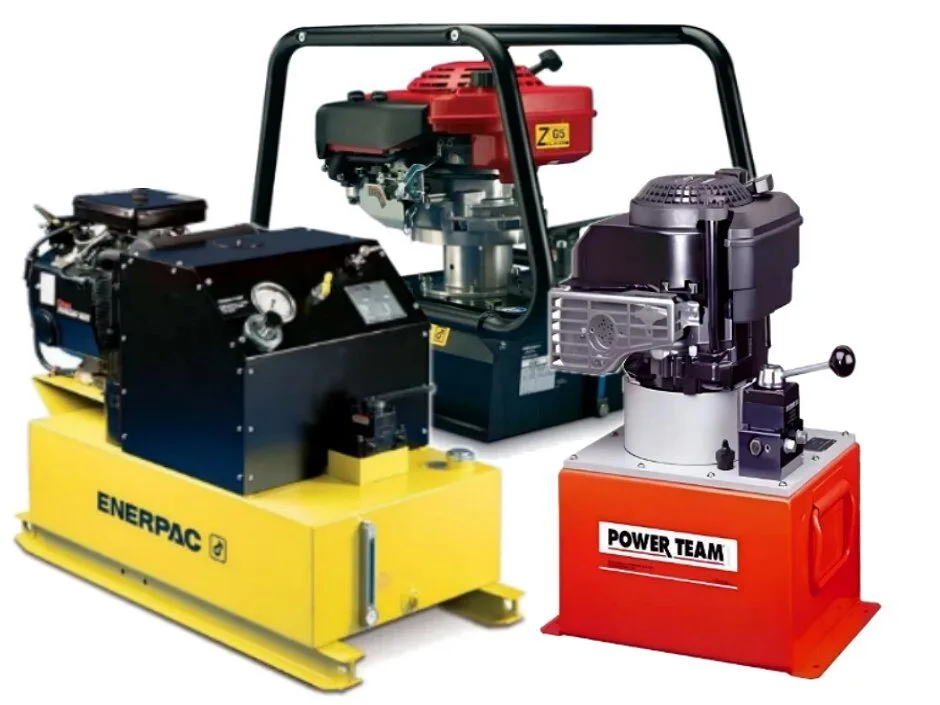
Gas Hydraulic Pumps require routine engine servicing and hydraulic oil inspection, which is handled as part of professional rental maintenance programs.