
Yes. They are specifically designed for low-clearance applications.
They can if used incorrectly, but controlled hydraulic pulling reduces damage risk compared to impact methods.
Flat jacks are specialized tools used for specific projects, making rentals more practical than ownership.
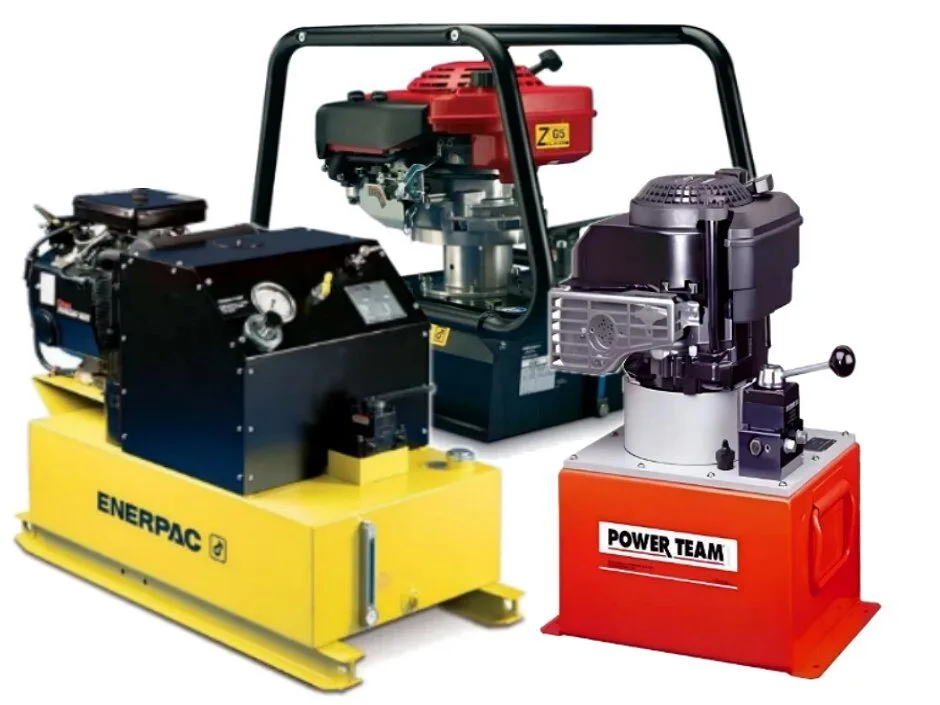
Flat jacks can be powered by hand pumps, electric pumps, air pumps, or gasoline hydraulic pumps depending on the application.
Yes. Hydraulic punching is usually much faster than drilling through steel.
Monostrand stressing jacks are used to tension single strands or tendons in post-tensioning and anchoring systems.
Renting provides access to the correct tool size without purchasing equipment used only occasionally.
Yes. Hydraulic air pumps are commonly used indoors because they produce no exhaust fumes.
Electric pumps use motor power, while air pumps operate using compressed air supply.
It depends on system size, but many systems can control multiple lift points across large structures.
Yes. Many hydraulic cutters are designed for tight access environments.
Skidding systems are highly specialized and are typically only needed for specific heavy transport projects.