🔧 Flat Jacks vs Low Height Cylinders: Understanding the Difference
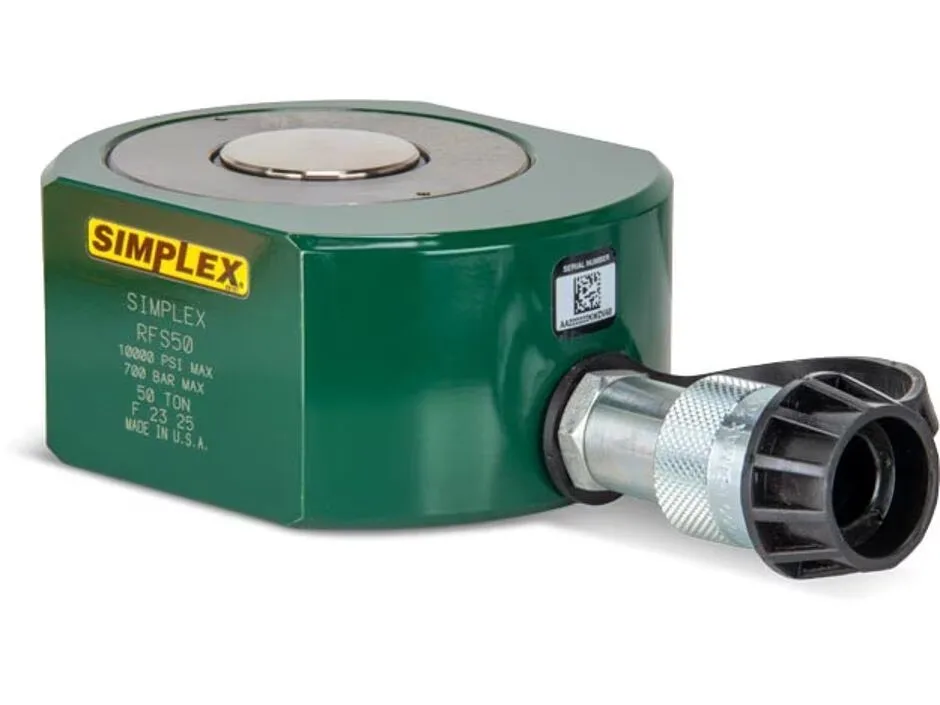
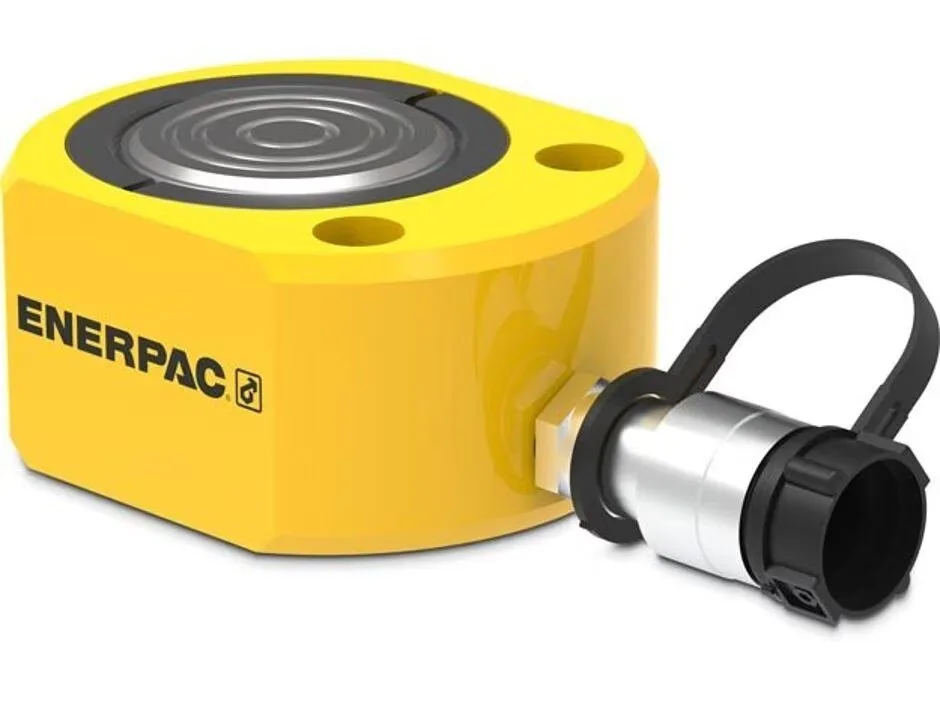
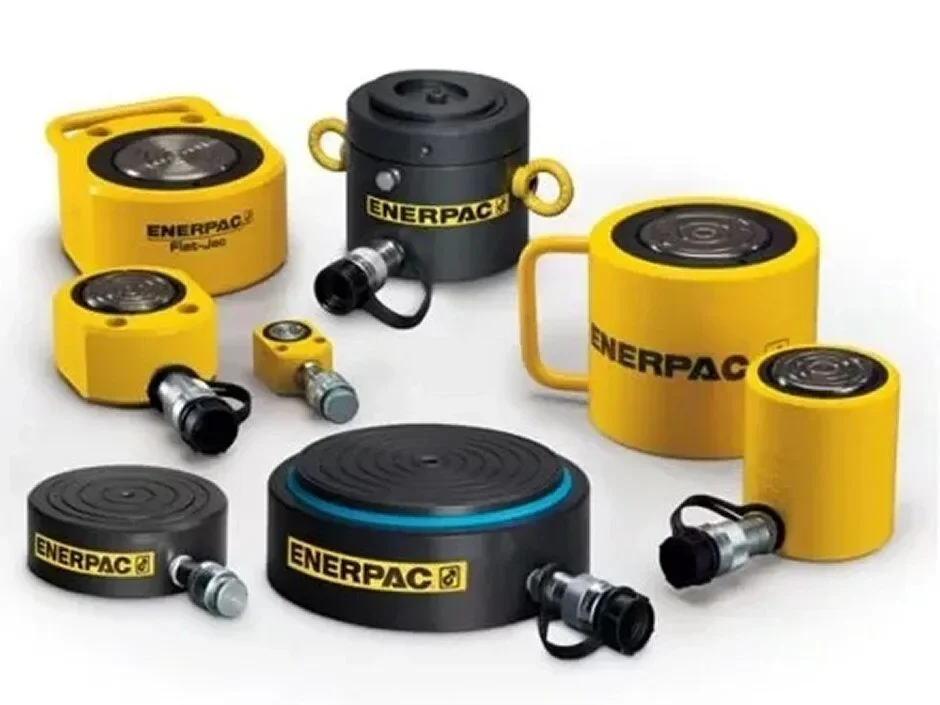
Flat jacks and low height cylinders are both designed for applications with restricted vertical clearance. However, their construction, lift characteristics, and primary uses differ significantly.
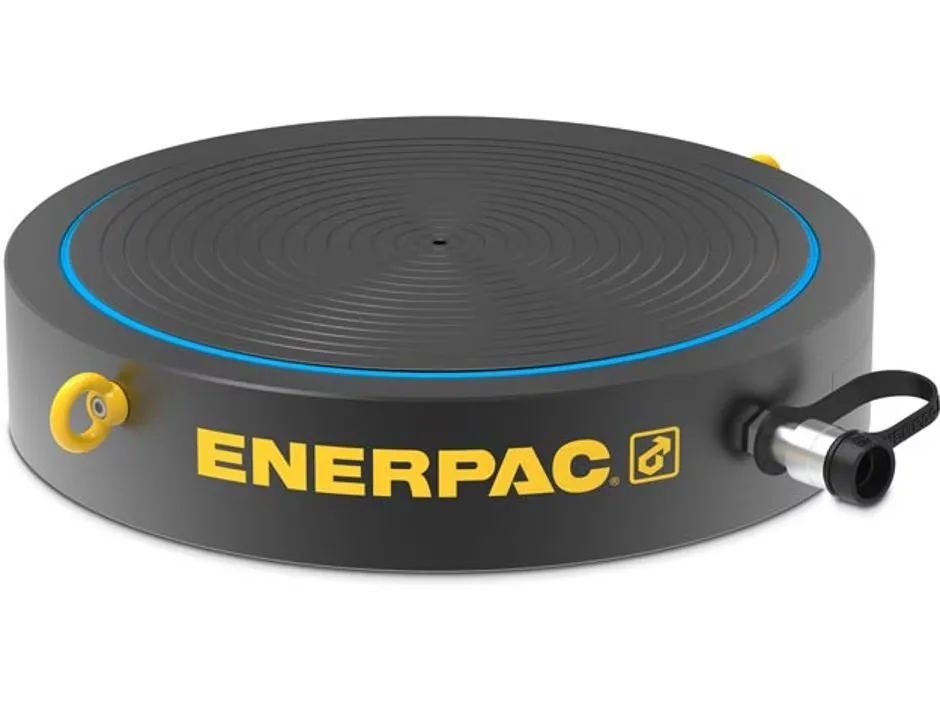
Flat jacks, such as those manufactured by Freyssinet, use a thin steel chamber that expands vertically when pressurized. They provide extremely low collapsed height and distribute force over a wide surface area.
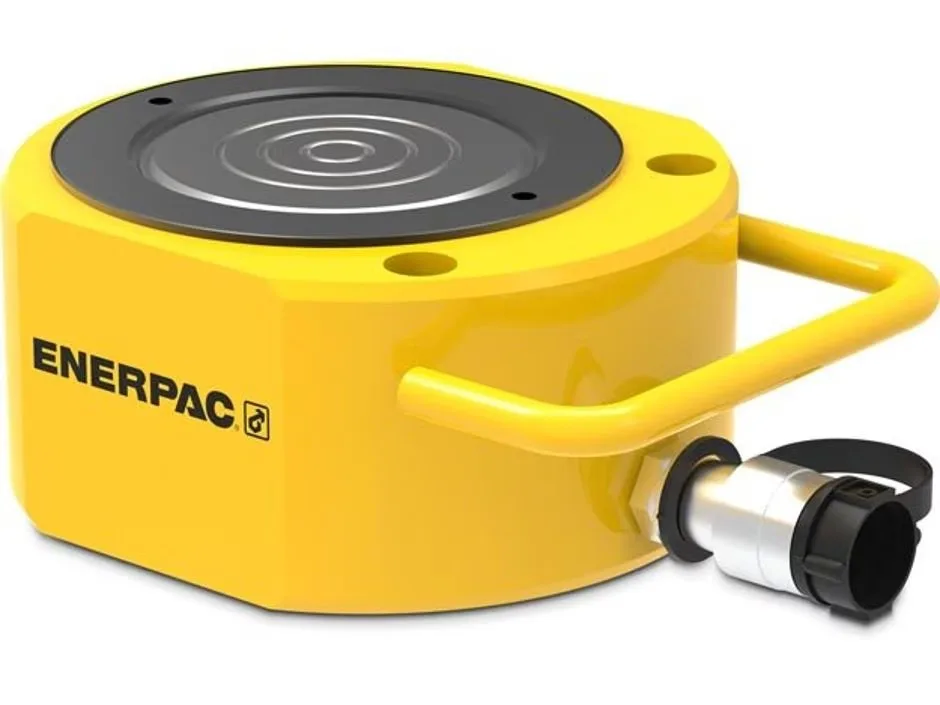
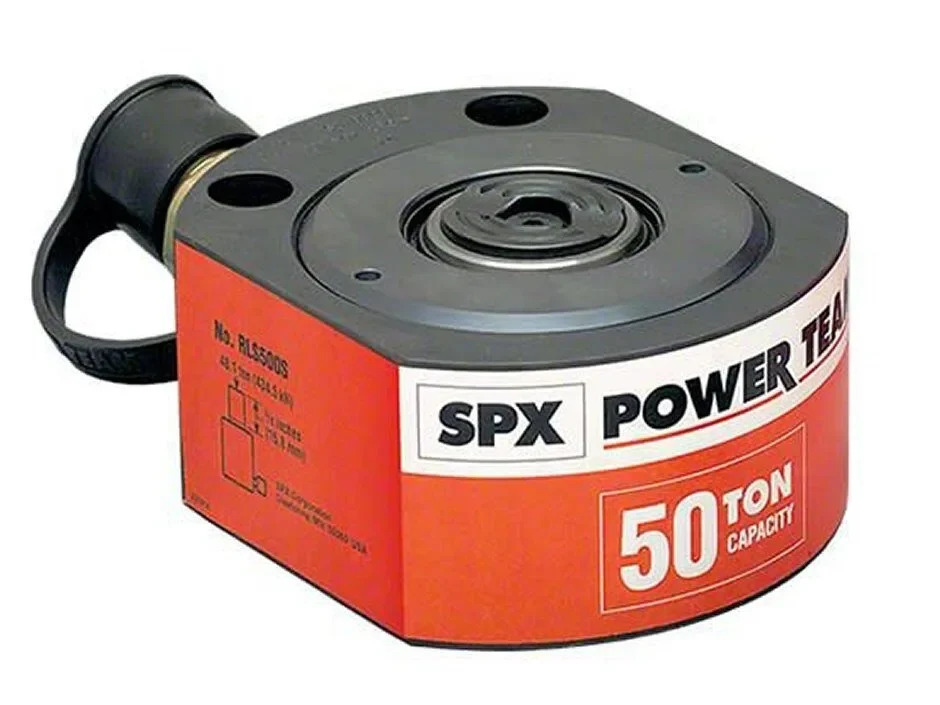
Low height cylinders, by contrast, are traditional hydraulic cylinders with a short body and projecting piston. While they offer compact design and higher stroke capability than flat jacks, they require more initial clearance for placement.
🔩 Clearance Comparison
Flat jacks provide the lowest collapsed profile available in hydraulic lifting equipment. They are ideal when clearance is measured in millimeters.
Low height cylinders require more insertion space but provide greater vertical lift per stroke.
🏗 Load Distribution
Flat jacks distribute force across a broad surface area, reducing point loading and stress concentrations.
Low height cylinders concentrate lifting force through a piston saddle, requiring careful load alignment.
🧩 Stroke & Lift Capability
Flat jacks are typically used for incremental lifting and staged load transfer.
Low height cylinders provide greater single-stroke lift and are better suited for applications requiring more vertical travel.
🛠 Choosing the Right Solution
Flat jack rentals are best for:
Bridge bearing replacement
Structural correction in extremely confined spaces
Wide load distribution needs
Low height cylinder rentals are best for:
Industrial lifting applications
Confined but not ultra-restricted spaces
Situations requiring greater lift height
Both solutions play critical roles in infrastructure and structural engineering projects.